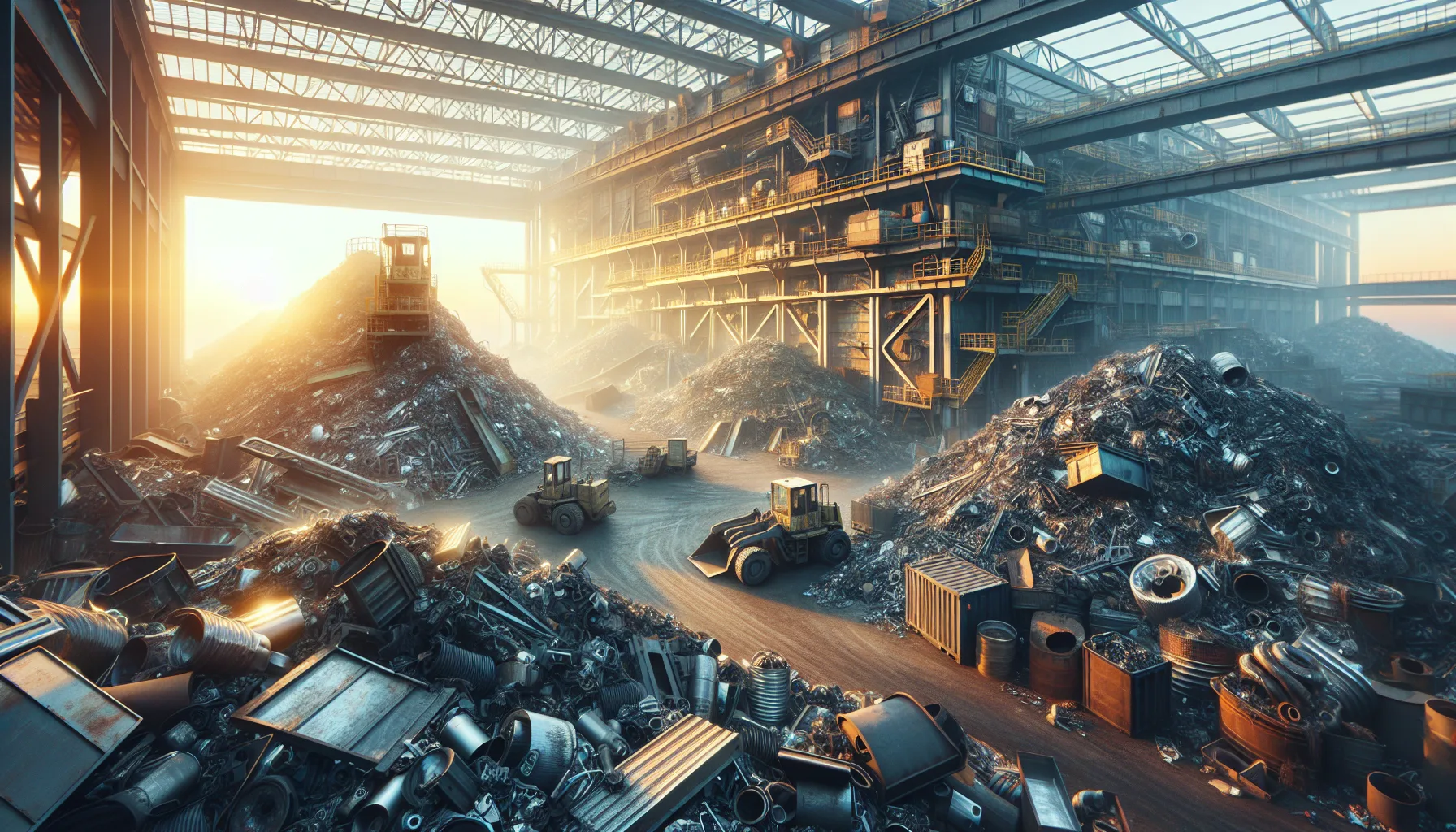
The Journey Begins: From Your Driveway to Processing Facility
Understanding what happens to your vehicle after scrapping helps you make informed decisions about scrap car value today and ensures you're getting maximum return for your unwanted vehicle. When you decide to scrap your car in Brampton, the journey from your driveway to recycled materials involves multiple steps that directly impact the value you receive.
The moment your vehicle leaves your property, it enters a sophisticated recycling ecosystem. Professional auto buyers assess vehicles for parts that retain value, fluids that require proper disposal, and metals that command current market prices. This initial evaluation determines whether your car heads to a parts yard, direct recycling, or specialized processing.
Modern scrap yards in Ontario operate under strict environmental regulations updated in 2026. These facilities must demonstrate proper handling of hazardous materials, from engine oil to refrigerants in air conditioning systems. The regulatory framework ensures responsible recycling while maintaining competitive pricing for sellers.
When you connect with trusted auto buyers in Canada through SMASH Cars, your vehicle enters this regulated system immediately. Professional buyers understand which components hold value and which require specialized handling, maximizing your return while ensuring environmental compliance.
Component Separation and Parts Recovery
Vehicle dismantling begins with systematic component removal. Trained technicians extract valuable parts including engines, transmissions, catalytic converters, and electronic components. These parts undergo inspection and testing before entering the used auto parts market.
High-demand components like ECUs, airbags, and LED headlight assemblies often sell quickly to repair shops and individual mechanics. This parts recovery directly influences scrap car value today, as vehicles with salvageable components command higher prices than those heading straight to shredding.
Fluid drainage occurs early in the process. Engine oil, transmission fluid, coolant, and brake fluid get collected for proper recycling or disposal. Some fluids undergo reprocessing, while others require specialized treatment to meet environmental standards.
Battery removal happens immediately due to lead-acid content and potential fire hazards. Car batteries maintain consistent recycling value, with lead commanding steady market prices. The plastic battery cases also enter recycling streams, contributing additional value to the scrapping process.
Scrap Metal Inventory Management and Market Dynamics
Once parts recovery completes, the remaining vehicle shell enters the metal recycling phase. Scrap metal inventory management plays a crucial role in determining timing and pricing for vehicle processing. Large-scale operations monitor metal commodity markets to optimize processing schedules.
Steel represents the largest component by weight in most vehicles. Current steel prices fluctuate based on global demand, construction activity, and manufacturing needs. Aluminum components, particularly from newer vehicles, command premium prices due to their recycling efficiency and growing demand in automotive manufacturing.
Copper wiring throughout vehicles provides additional value streams. Electric vehicles contain significantly more copper than traditional gasoline vehicles, affecting overall scrap valuations. This trend continues growing as electric vehicle adoption increases across Canada.
Processing facilities use powerful shredders to break down vehicle shells into manageable pieces. Magnetic separation removes ferrous metals, while additional processing isolates non-ferrous materials like aluminum and copper. This separation ensures maximum value recovery from each vehicle.
When you get a free car valuation in Canada, current metal prices factor directly into your quote. Understanding these market dynamics helps explain day-to-day price variations and timing considerations for vehicle disposal.
Advanced Recycling Technologies in 2026
The automotive recycling industry has embraced new technologies in 2026, improving both environmental outcomes and value recovery. Advanced sorting systems use artificial intelligence to identify valuable materials previously lost in traditional processing.
Plastic recycling capabilities have expanded significantly. Interior plastics, bumpers, and trim pieces now enter specialized recycling streams rather than landfills. This advancement particularly benefits newer vehicles with extensive plastic components, increasing overall scrap values.
Rare earth element recovery has become standard practice for hybrid and electric vehicles. These materials, found in batteries and electric motors, command high prices and require specialized extraction techniques. Facilities in Ontario have invested heavily in this capability.
Glass recycling has improved with automated removal systems. Windshields and window glass now efficiently separate from vehicles, entering recycling streams for new glass production or alternative applications like construction materials.
For Brampton residents considering vehicle disposal, these technological advances mean higher recovery values and improved environmental outcomes. The SMASH scrap metal auction system connects sellers with buyers who utilize these advanced processing capabilities.
Environmental Compliance and Certification
Ontario's 2026 regulations require comprehensive environmental tracking throughout the vehicle recycling process. Facilities must demonstrate proper handling of all hazardous materials, from mercury switches to refrigerants.
Air bag deployment and disposal follows strict protocols. Undeployed airbags require controlled activation in specialized chambers, while deployed airbags enter standard recycling streams. This process ensures worker safety and environmental protection.
Catalytic converter processing has evolved with enhanced recovery techniques for platinum group metals. These valuable components undergo sophisticated extraction processes, recovering precious metals for reuse in new automotive applications.
Tire disposal has transitioned from landfill disposal to energy recovery and recycling applications. Tires now become playground surfaces, road construction materials, or fuel for cement production, eliminating waste streams entirely.
When you sell scrap car Brampton through reputable channels, you contribute to these environmental programs. Certified processors ensure your vehicle's materials re-enter productive use rather than creating environmental burdens.
The comprehensive recycling system means approximately 95% of your vehicle's materials find new applications. This efficiency explains why scrap values remain competitive despite fluctuating commodity markets. Professional buyers understand these recovery rates and price vehicles accordingly.
For those ready to browse Canadian car selling tips on our blog, understanding the recycling process helps explain valuation differences between buyers. Facilities with advanced processing capabilities often offer higher prices due to superior material recovery rates.
Whether you're dealing with an inherited vehicle, accident damage, or simply upgrading to newer transportation, knowing your car's recycling journey provides peace of mind about environmental responsibility and value recovery. You can also explore scrap car removal in Canada at GetMyScrapCar for additional options in your area.
Frequently Asked Questions
Q: How long does the vehicle recycling process take once I sell my scrap car?
The complete recycling process typically takes 2-4 weeks from pickup to final material recovery. Initial dismantling and parts removal occurs within the first week, while metal processing may take additional time depending on facility schedules and current scrap metal inventory management practices.
Q: What factors most influence scrap car value today in Brampton?
Current scrap car values depend primarily on vehicle weight, current metal commodity prices, recoverable parts demand, and processing costs. Larger vehicles with aluminum components typically command higher prices, while vehicles with valuable parts like catalytic converters or electronic components receive premium valuations.
Q: Do I need to remove personal items before my car gets scrapped?
Yes, you should remove all personal belongings before pickup. While processing facilities check for missed items, you're responsible for ensuring nothing valuable remains in the vehicle. This includes registration documents, insurance papers, and any aftermarket accessories you wish to keep.
Q: How do recycling facilities ensure environmental compliance in Ontario?
Licensed facilities in Ontario must follow strict environmental protocols including proper fluid drainage, hazardous material handling, and waste tracking documentation. They undergo regular inspections and maintain certifications demonstrating compliance with 2026 environmental regulations for automotive recycling operations.
Q: Can I track what happens to my specific vehicle after it's scrapped?
Most professional buyers provide basic disposal documentation, but tracking individual vehicles through the complete recycling process isn't standard practice. However, reputable companies can confirm your vehicle entered proper recycling channels and provide certificates of destruction when required for insurance or legal purposes.
Understanding your vehicle's recycling journey demonstrates the value in choosing established, environmentally compliant buyers for your unwanted car. Get connected with trusted auto buyers in Canada through SMASH — get your free offer at smash-cars.ca to ensure your vehicle enters this responsible recycling system while maximizing your return.