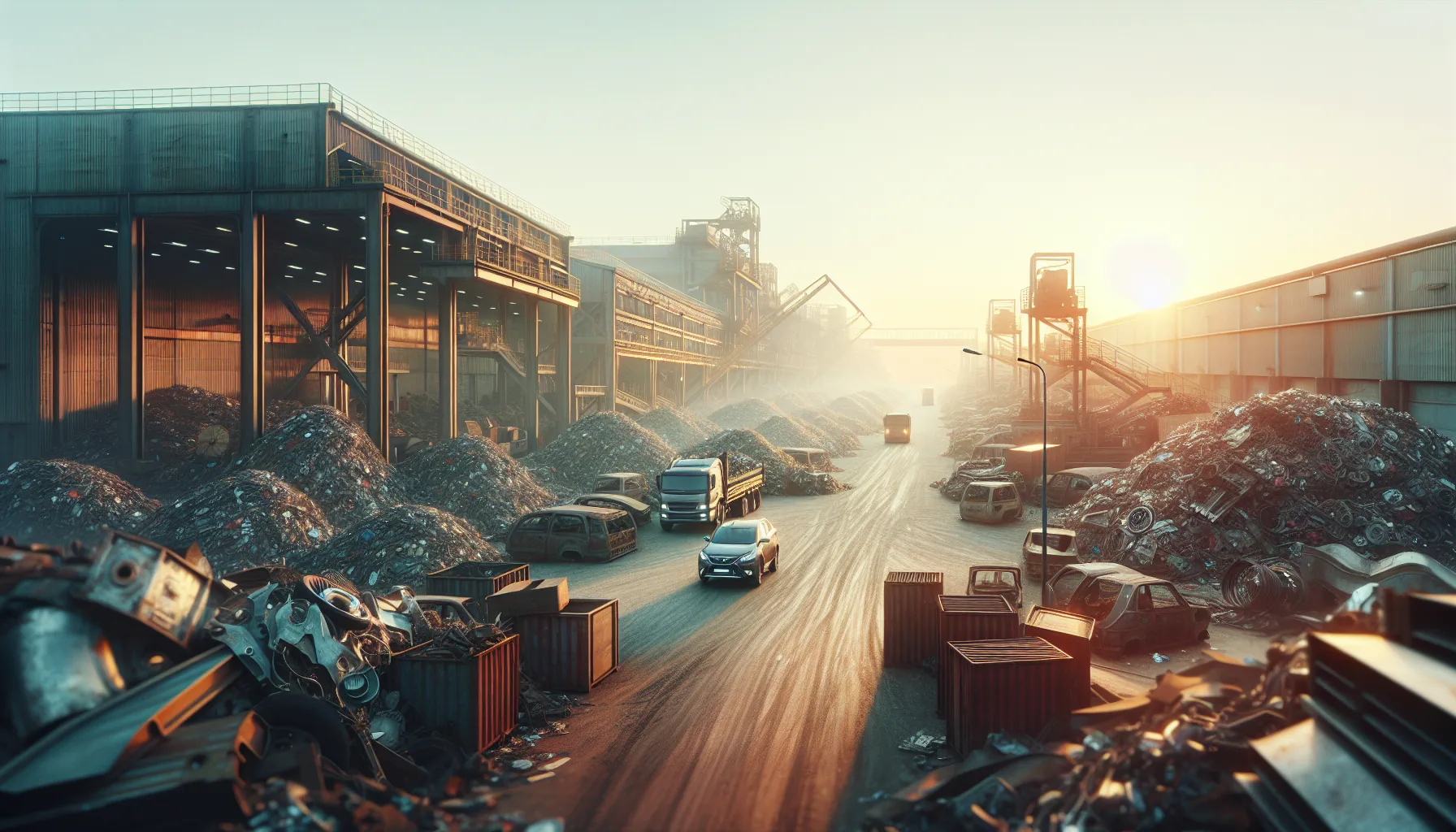
Why Responsible Vehicle Recycling Matters More Than Ever in 2026
Vehicle recycling has transformed dramatically in recent years, especially with growing environmental awareness and stricter regulations across Canada. When you choose free scrap car pickup Fort McMurray services, you're not just clearing space in your driveway — you're participating in one of the most effective environmental programs available. Modern vehicle recycling recovers up to 85% of a car's materials, preventing toxic substances from contaminating Alberta's soil and waterways while conserving natural resources.
Every year, millions of vehicles reach the end of their useful life across Canada. Without proper recycling channels, these cars become environmental hazards. Fluids leak into groundwater. Metals rust and corrode. Plastics break down into microparticles. The good news? Platforms like SMASH make it easier than ever to connect with trusted auto buyers in Canada through SMASH Cars who prioritize environmental responsibility.
Fort McMurray residents face unique challenges with end-of-life vehicles, from harsh winter conditions that accelerate corrosion to remote locations that complicate disposal. Professional junk car removal Fort McMurray services solve these problems while maximizing environmental benefits. Here's how responsible vehicle recycling protects our environment and why it matters for your community.
Massive Reduction in Raw Material Extraction
Vehicle recycling dramatically reduces the need for mining new metals and manufacturing virgin materials. A typical car contains approximately 2,400 pounds of steel and iron, 300 pounds of aluminum, 200 pounds of plastic, and 65 pounds of rubber. When recycled properly, these materials re-enter the manufacturing cycle without additional environmental extraction.
Steel recycling alone saves enormous energy. Producing steel from recycled materials uses 74% less energy than creating it from raw iron ore. This translates to significant reductions in greenhouse gas emissions and air pollution. Aluminum recycling is even more efficient, requiring 95% less energy than producing new aluminum from bauxite ore.
Scrap metal recycling Canada operations process millions of tons of automotive materials annually. This massive recycling network prevents the need for:
- Mining operations that destroy natural habitats
- Energy-intensive smelting processes
- Transportation of raw materials across continents
- Water pollution from mining runoff
The environmental impact extends beyond just metals. Automotive plastics, when properly processed, become new car parts, carpeting, and industrial products. Rubber from tires transforms into playground surfaces, road materials, and new rubber products. Glass becomes new bottles and construction materials.
Preventing Toxic Contamination Through Professional Fluid Management
Every vehicle contains multiple hazardous fluids that pose serious environmental threats when improperly disposed. Engine oil, transmission fluid, brake fluid, coolant, and gasoline can contaminate soil and groundwater for decades. Professional recycling services follow strict protocols for fluid extraction and processing.
Motor oil represents one of the most significant environmental concerns. A single quart of used motor oil can contaminate up to 250,000 gallons of water. Multiply this by millions of end-of-life vehicles, and the potential for environmental damage becomes staggering. Licensed recyclers capture and refine used oil into new lubricants or fuel products.
Coolant contains ethylene glycol, which is highly toxic to wildlife and pets. Professional facilities neutralize these chemicals or process them for reuse in new antifreeze products. Brake fluid, transmission fluid, and power steering fluid undergo similar controlled processing.
Fort McMurray's proximity to sensitive ecological areas makes proper fluid management even more critical. The region's waterways and wildlife depend on responsible disposal practices. When you choose professional junk car removal Fort McMurray services, you ensure these hazardous materials receive appropriate treatment rather than leaking into Alberta's environment.
Reducing Landfill Waste and Space Consumption
Abandoned vehicles consume enormous landfill space and create long-term environmental problems. The average car takes 50-80 years to decompose naturally, during which time it releases toxins and prevents land use for other purposes. Vehicle recycling eliminates this waste stream entirely.
Beyond the vehicle itself, automotive recycling processes thousands of associated components. Catalytic converters contain precious metals like platinum, palladium, and rhodium. Batteries provide lead and sulfuric acid for new battery production. Electronic components yield copper, gold, and rare earth elements.
The SMASH scrap metal auction system exemplifies how modern recycling maximizes material recovery. Rather than sending vehicles directly to shredders, auction systems allow specialized buyers to recover specific components for optimal reuse. This approach increases recycling rates and reduces waste.
Consider these landfill reduction statistics:
- Vehicle recycling diverts approximately 11 million tons of steel from landfills annually in North America
- Tire recycling prevents roughly 300 million tires from entering waste streams each year
- Battery recycling recovers 99% of lead content for new battery production
- Automotive glass recycling reduces landfill volume by millions of cubic feet
These diversions free up landfill space for non-recyclable materials while preventing decades of environmental contamination. For Fort McMurray residents, this means cleaner communities and preserved natural spaces throughout Alberta.
Supporting Carbon Footprint Reduction and Climate Goals
Vehicle recycling contributes significantly to Canada's carbon reduction objectives. The energy savings from using recycled materials instead of virgin resources translate directly into reduced greenhouse gas emissions. Manufacturing steel from recycled content produces 86% fewer CO2 emissions than primary steel production.
Transportation impacts also factor into the environmental equation. Get a free car valuation in Canada through services that prioritize local processing reduces the carbon footprint associated with long-distance vehicle transport. Regional recycling networks minimize fuel consumption and emissions from hauling vehicles to distant facilities.
The circular economy principles embedded in vehicle recycling create multiplier effects. Recycled automotive materials become new vehicles, infrastructure, and consumer products. This closed-loop system reduces the overall environmental impact of manufacturing across multiple industries.
Electric vehicle recycling presents new opportunities and challenges. Battery recycling technology continues advancing, with facilities now recovering lithium, cobalt, and nickel for new battery production. As electric vehicle adoption increases, these recycling capabilities become increasingly important for environmental sustainability.
Fort McMurray's role in Canada's energy sector makes environmental responsibility particularly significant. Residents who choose professional vehicle recycling demonstrate commitment to balanced resource management. Browse Canadian car selling tips on our blog to learn more about maximizing both financial returns and environmental benefits from your end-of-life vehicle.
Economic Benefits That Support Environmental Programs
Environmental benefits of vehicle recycling extend beyond direct ecological impacts. The recycling industry creates jobs, generates tax revenue, and funds additional environmental programs. Canada's automotive recycling sector employs thousands of workers in collection, processing, and manufacturing roles.
Local economic impacts matter too. Fort McMurray businesses that participate in vehicle recycling contribute to the regional economy while supporting environmental goals. These operations provide employment opportunities and keep recycling revenue within Alberta communities.
The value recovered from recycled vehicles helps fund ongoing environmental initiatives. Recycling facilities invest in cleaner technologies, better processing equipment, and expanded collection networks. This reinvestment cycle continually improves environmental outcomes.
Explore scrap car removal in Canada at GetMyScrapCar to understand how professional services balance economic and environmental considerations. Quality recycling operations prioritize both maximum material recovery and minimal environmental impact.
As environmental awareness grows and regulations strengthen, responsible vehicle recycling becomes increasingly valuable. Fort McMurray residents can contribute to these positive trends while receiving fair compensation for their end-of-life vehicles. The combination of environmental benefits and economic returns makes professional vehicle recycling an obvious choice for responsible car owners.
Frequently Asked Questions
Q: How does free scrap car pickup Fort McMurray help the environment?
Free pickup services ensure vehicles reach licensed recycling facilities where up to 85% of materials get recovered and reused. This prevents toxic fluids from leaking into soil and waterways while reducing the need for mining new metals. Professional services handle hazardous materials safely and maximize recycling rates.
Q: What environmental certifications should I look for in junk car removal Fort McMurray services?
Look for services that follow provincial environmental regulations and work with licensed dismantling facilities. Reputable companies should provide documentation showing proper fluid disposal and materials processing. They should also be able to explain their recycling partnerships and environmental practices.
Q: How much of my old car can actually be recycled in Alberta?
Modern vehicle recycling recovers approximately 85% of a car's materials, including steel, aluminum, plastics, rubber, and fluids. The remaining 15% consists mainly of mixed materials that are difficult to separate economically. Alberta's recycling facilities continue improving recovery rates through better technology and processes.
Q: Does vehicle recycling really make a difference for climate change?
Yes, vehicle recycling significantly reduces greenhouse gas emissions by eliminating the need for energy-intensive mining and primary metal production. Recycling automotive steel produces 86% fewer CO2 emissions than making steel from iron ore. When multiplied across millions of vehicles annually, the climate benefits are substantial.
Q: Can I recycle my car if it has been sitting unused for years in Fort McMurray?
Absolutely. Even vehicles that haven't run for years contain valuable recyclable materials. The metals, plastics, and other components retain their recycling value regardless of the car's operational condition. Professional services can handle vehicles in any state, ensuring proper environmental processing of all materials.
Making the responsible choice for your end-of-life vehicle benefits both your wallet and the environment. Professional recycling services recover valuable materials while preventing environmental contamination, supporting Canada's sustainability goals through every recycled car. Get connected with trusted auto buyers in Canada through SMASH — get your free offer at smash-cars.ca and contribute to a cleaner future for Fort McMurray and Alberta.