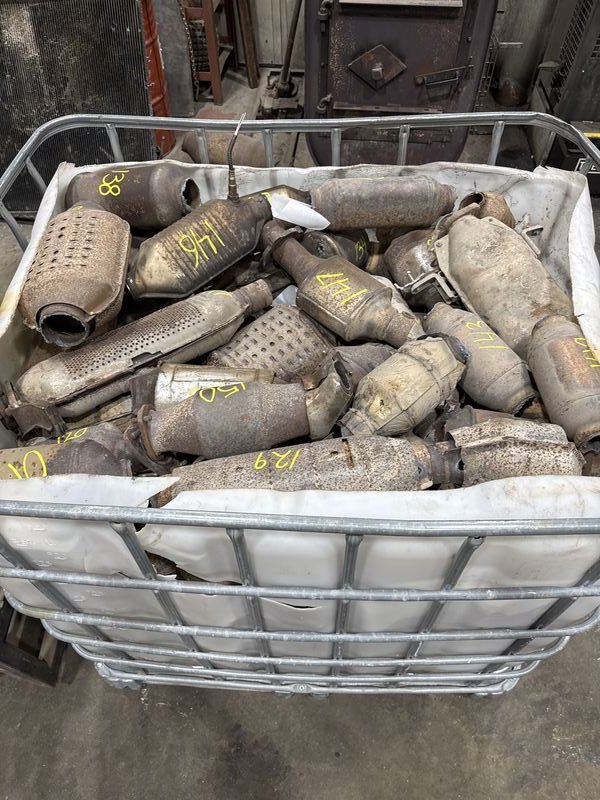
Your scrap car might be worth more than you think — and a small metal component the size of a loaf of bread could be the reason why.
If you're sitting on an unwanted vehicle in Kitchener and wondering what it's actually worth, the answer isn't just about weight or age. Cash for cars Kitchener pricing depends on several factors, and one of the biggest variables right now is the catalytic converter bolted to your exhaust system. Understanding how cats affect your payout can mean the difference between getting lowballed and getting a fair offer.
This guide breaks down exactly how catalytic converter values ripple through the scrap car market — and what you can do to make sure you're not leaving money on the table.
What Makes a Catalytic Converter So Valuable?
A catalytic converter is a federally mandated emissions device found on virtually every gas-powered and hybrid vehicle built after 1975. Its job is to convert harmful exhaust gases into less toxic output. What makes it valuable to scrap buyers isn't the steel shell — it's what's packed inside: a honeycomb ceramic substrate coated with platinum, palladium, and rhodium.
These are platinum group metals (PGMs), and they trade on global commodity markets just like gold or silver. Rhodium in particular has seen extreme price swings over the past decade. Even when PGM prices soften, a single catalytic converter can carry meaningful value depending on the vehicle it came from. Trucks, SUVs, and hybrid vehicles tend to carry converters with higher loadings of these metals — meaning they're worth more per unit than those from small economy cars.
- Platinum — used in diesel cats and some gasoline applications
- Palladium — the dominant metal in modern gasoline catalytic converters
- Rhodium — used in smaller quantities but commands a significant premium
- Substrate condition — a cracked or melted substrate reduces recovery yield and value
When a scrap buyer assesses your vehicle, the converter is one of the first components they factor in. Whether it's intact, missing, or damaged directly affects the offer you receive.
How Catalytic Converter Prices Connect to Scrap Car Values in Canada
Here's the part most sellers don't realize: scrap car buyers don't look at your vehicle as one big chunk of metal. They mentally disassemble it. They're pricing the steel body separately from the aluminum wheels, the copper wiring, the engine block — and yes, the catalytic converter. Each component has its own market value, and those values shift constantly based on commodity prices.
When PGM prices are strong, buyers are more aggressive about acquiring whole vehicles because the converter alone can offset a significant portion of the acquisition cost. When PGM markets soften, buyers tighten their margins, and that can push overall car offers down even if steel prices are holding steady. This is why scrap metal prices today tell only part of the story — you need to understand that your car is a collection of commodities, not just one.
In Ontario, the scrap car market in 2026 reflects that complexity. Buyers sourcing vehicles in areas like Kitchener are competing for inventory, and a vehicle confirmed to have an intact converter in reasonable condition is a more attractive purchase than one with a missing or destroyed cat. That competition works in your favour — if you know how to position your vehicle.
Missing or Stolen Catalytic Converters: What It Means for Your Payout
Catalytic converter theft became a serious problem across Canada in the early 2020s, and it hasn't gone away. If your vehicle has been sitting uninsured or unattended — whether it's an estate vehicle, a written-off car, or just an old pickup in the driveway — there's a real chance the converter has been taken.
A missing catalytic converter reduces your scrap car offer. That's the straightforward reality. How much it reduces it depends on the vehicle make, model, and what that specific converter would have been worth to a buyer. Hybrid vehicles like the Toyota Prius or Ford Escape Hybrid carry high-value converters, so a missing cat on one of those has a larger impact on your offer than on a small sedan.
What you can do:
- Check before you call — if you have access to the vehicle, do a quick visual inspection or have someone check under the vehicle before requesting offers.
- Be upfront — tell buyers upfront whether the converter is present. Experienced buyers will verify anyway, and transparency builds trust.
- Don't accept the first offer blind — getting multiple quotes through a competitive platform like SMASH Cars helps you understand whether an offer reflects your vehicle's actual condition or whether you're being undervalued.
Vehicles with intact converters in good condition, proper documentation, and clear ownership history consistently attract better offers. That's true whether you're selling an accident-damaged car, an inherited vehicle, or something that simply isn't worth fixing anymore.
We Buy Junk Cars in Kitchener — But Not All Buyers Are Equal
Search we buy junk cars Kitchener and you'll find plenty of results. The harder question is which buyers are actually offering fair market value versus who's working on your lack of information.
Single-buyer transactions — one phone call, one offer, take it or leave it — are the default in this market. That model benefits the buyer, not you. They know commodity prices. They know what your catalytic converter is worth, what the steel is worth, and what parts they can resell. You're often guessing.
The better approach is to let multiple vetted buyers compete for your vehicle. When buyers know they're in competition, they price more aggressively. That's basic market mechanics. More buyers mean better price discovery — and for a vehicle where the catalytic converter alone carries real value, that difference in offers can be meaningful.
Platforms like SMASH Cars connect sellers with vetted auto buyers across Canada, including in the Kitchener-Waterloo region. You submit your vehicle details once. Buyers compete. You get a clear offer without the runaround. It's a better process than the traditional one-call model, and it doesn't cost you anything to find out what your car is actually worth.
And if your vehicle is truly at end-of-life with minimal resale value, free junk car removal across Canada is also available — no charge for pickup, no hassle.
What Affects Your Total Scrap Car Value Beyond the Converter
The catalytic converter gets a lot of attention, but it's one piece of a larger puzzle. If you want to understand what your vehicle is actually worth — and how to position it for the best offer — here's the full picture buyers are working with:
- Vehicle weight — heavier vehicles carry more steel. A full-size pickup or SUV has a higher base scrap value than a subcompact.
- Non-ferrous metals — aluminum wheels, copper wiring, and aluminum engine components all add value above the base steel price.
- Drivetrain condition — a running engine adds resale parts value. A seized or destroyed engine reduces the buyer's recovery options.
- Title and ownership documentation — clear title makes the transaction cleaner. In Ontario, buyers prefer vehicles with proper ownership documents, though options exist for estate vehicles and inherited cars.
- Body panels and interior — for vehicles with resale potential, condition matters. For true end-of-life vehicles, it matters less.
- Year, make, and model — certain makes have strong parts demand even when the vehicle itself is done. That demand translates to better offers.
Understanding this breakdown helps you have a more informed conversation with any buyer. You're not guessing — you're working from the same framework they are.
Disclaimer: scrap metal and PGM commodity prices fluctuate constantly. Any offer you receive reflects current market conditions at the time of valuation. To understand what your vehicle is worth today, get a free car valuation in Canada directly through SMASH Cars.
Selling Your Car in Kitchener: What the Process Actually Looks Like
If you've never sold a scrap or unwanted vehicle before, the process can feel uncertain. Estate vehicles, cars without current insurance, accident-damaged cars, vehicles with salvage titles — all of these situations raise questions. The good news is that most can be resolved quickly with the right buyer.
Here's what a straightforward sale looks like in Kitchener and across Ontario in 2026:
- Gather your information — year, make, model, mileage, condition, and whether the converter is intact. Photos help.
- Submit your vehicle details — through a platform like SMASH Cars, you enter your vehicle once and let buyers come to you.
- Review your offers — compare what you're getting and understand why offers differ. A buyer paying more for your specific vehicle likely knows something about its parts or metals value.
- Confirm pickup logistics — most buyers in the Kitchener area offer same-day or next-day pickup. Confirm whether towing is included in your offer.
- Sign over ownership — in Ontario, you'll sign the vehicle permit over to the buyer. Keep a record of the transaction for your own documentation.
You don't need to have a perfectly running car, a clean title, or current insurance to sell. You need the right buyer who understands the actual value of what you're selling — and a process that puts competition to work for you. Browse Canadian car selling tips on our blog if you want to go deeper on any part of this process before you start.
When you're ready to move forward, connect with trusted auto buyers in Canada through SMASH Cars and find out what your vehicle is actually worth in today's market — no guessing, no pressure.
Frequently Asked Questions
Q: How much does a missing catalytic converter affect my cash for cars offer in Kitchener?
It depends on the vehicle. On a high-value converter vehicle like a hybrid or large truck, a missing cat can reduce your offer noticeably because buyers lose a significant portion of the metals recovery value. On a small economy car, the impact is smaller. The best approach is to be upfront about converter status and get multiple offers so you can see the range.
Q: Can I sell my car in Kitchener without a title or ownership papers?
In Ontario, selling a vehicle legally requires transferring the vehicle permit to the buyer. If you're dealing with an inherited vehicle or estate car, you may need to obtain the ownership through the estate process first. Some buyers work with sellers in these situations — being upfront about your documentation status from the start is the fastest way to find the right buyer.
Q: Do scrap metal prices today affect what I get for my junk car?
Yes, directly. Scrap car offers are tied to the commodity markets — steel, aluminum, copper, and platinum group metals all factor into what a buyer will pay. When steel prices are strong and PGMs are up, offers tend to be better. When markets soften, offers reflect that. Getting your offer sooner rather than later protects you from waiting through a market dip.
Q: I have an accident-damaged car — can I still sell it for more than scrap value in Kitchener?
Often yes, especially if the drivetrain is intact and the catalytic converter is present. Accident-damaged vehicles with running engines or sought-after parts can attract buyers willing to pay above base scrap rates. The key is getting it in front of the right buyers, not just the nearest scrap yard that gives you one take-it-or-leave-it number.
Q: How fast can I sell my car for cash in Kitchener?
Same-day and next-day pickups are common in the Kitchener-Waterloo area for vehicles that are ready to go. Having your ownership documents in order and clear details about the vehicle's condition speeds things up considerably. Through SMASH Cars, you can get offers quickly and coordinate pickup without the back-and-forth that slows down single-buyer transactions.
Follow SMASH on LinkedIn for scrap metal market updates, industry insights, and tips on getting more value from your unwanted vehicles across Canada.