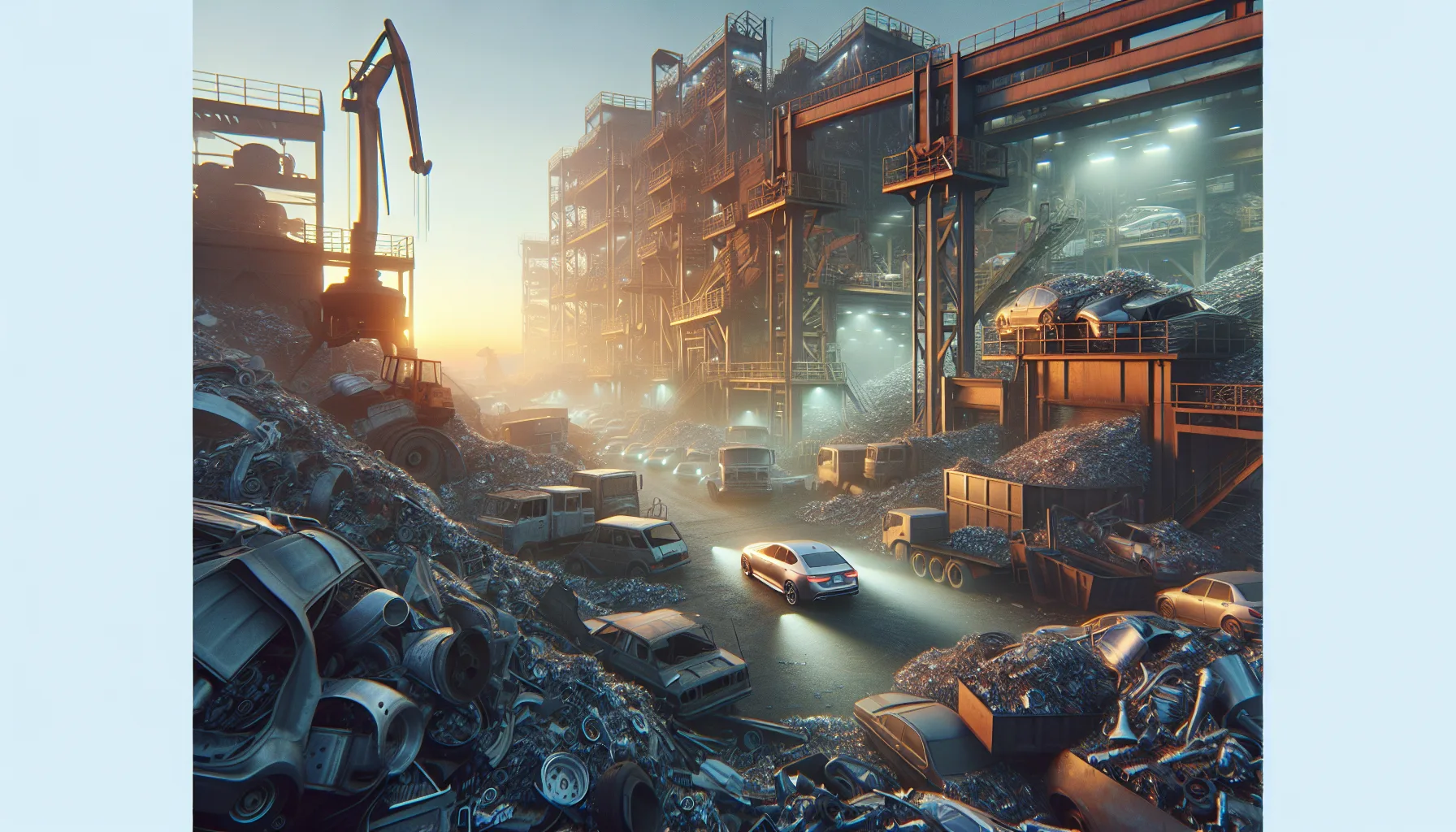
When you schedule scrap car removal Nanaimo services, your vehicle begins an intricate journey that transforms it from an unwanted liability into valuable materials and components. Understanding this process helps Canadian car owners make informed decisions about their end-of-life vehicles and explains why platforms like SMASH can secure better returns than traditional scrap yards.
The fate of your scrapped vehicle involves multiple stages of processing, material recovery, and environmental compliance. Each step maximizes value while ensuring responsible disposal of hazardous materials.
Initial Vehicle Assessment and Fluid Removal
Professional scrap operations in Nanaimo begin with comprehensive vehicle assessment. Trained technicians evaluate usable parts, catalog valuable components, and identify materials requiring special handling. This initial step determines whether your vehicle generates more value through parts resale or bulk material processing.
Fluid drainage follows immediately. Motor oil, transmission fluid, brake fluid, coolant, and gasoline must be completely removed before processing begins. These fluids undergo separate recycling processes — used motor oil becomes lubricants or fuel, while coolant gets filtered and reused. Battery acid requires neutralization through specialized treatment facilities.
This careful fluid management explains why junk car buyers near me Nanaimo operations invest heavily in proper equipment and training. Environmental regulations in British Columbia mandate strict compliance with fluid disposal protocols, protecting local waterways and soil quality.
Component Salvage and Parts Recovery
Valuable components get carefully removed before metal processing begins. Engines, transmissions, catalytic converters, and electronic modules command significant resale prices in secondary markets. Skilled technicians test these components to verify functionality before cataloging them for resale.
Popular salvage items include:
- Engine blocks and transmissions (tested units worth $500-$3,000)
- Catalytic converters (containing precious metals worth $50-$500)
- ECU modules and navigation systems ($100-$800 each)
- Xenon headlights and LED assemblies ($200-$600 per set)
- Airbag systems and sensors ($150-$400 per unit)
This component recovery explains why experienced buyers offer more than basic scrap value. When you connect with trusted auto buyers in Canada through SMASH Cars, you benefit from comprehensive vehicle evaluation that identifies these valuable components before processing.
Metal Processing and Material Separation
After component removal, vehicles enter the shredding phase. Industrial shredders reduce car bodies into fist-sized fragments in minutes. This process separates ferrous metals (steel and iron) from non-ferrous materials (aluminum, copper, brass) using magnetic separation technology.
The typical vehicle yields approximately:
- 1,200-1,500 pounds of steel and iron
- 200-300 pounds of aluminum (engine blocks, wheels, body panels)
- 50-100 pounds of copper (wiring, radiators, motors)
- 20-40 pounds of other metals (brass, zinc, stainless steel)
Advanced facilities use eddy current separators and optical sorting to achieve 95%+ material recovery rates. This scrap metal inventory management technology ensures maximum value extraction from each vehicle processed in Nanaimo operations.
Environmental Compliance and Hazardous Material Management
Modern vehicle recycling addresses environmental concerns through regulated disposal of hazardous materials. Mercury switches, found in older vehicles, require specialized collection and treatment. Lead-acid batteries undergo complete recycling — lead plates become new batteries while plastic cases get reprocessed.
Tire processing presents unique challenges. Whole tires cannot enter standard recycling streams, so they're either retreaded for continued use or processed into rubber crumb for playground surfaces and road construction materials. Some facilities incinerate tires in controlled environments to generate electricity.
Refrigerants from air conditioning systems need careful recovery to prevent atmospheric release. Certified technicians use specialized equipment to capture and recycle these substances, preventing ozone layer damage.
This environmental stewardship explains why legitimate operations in British Columbia maintain proper certifications and follow provincial regulations. When you get a free car valuation in Canada, you're choosing responsible disposal methods that protect local ecosystems.
Material Destination and Secondary Markets
Recovered materials enter global commodity markets where demand drives pricing. Steel from scrapped vehicles typically goes to minimills for new steel production. These facilities melt scrap steel in electric arc furnaces, creating recycled steel with properties identical to virgin material.
Aluminum recovery proves particularly valuable due to the metal's energy-intensive production process. Recycled aluminum requires only 5% of the energy needed for primary aluminum production, making automotive aluminum highly sought after by manufacturers.
Copper wiring and components often travel to specialized refineries where they're processed into new electrical products. The automotive industry's increasing electronic complexity means modern vehicles contain significantly more copper than older models.
Market conditions in 2026 show strong demand for recycled automotive materials. Supply chain disruptions have increased manufacturer reliance on domestic recycled content, supporting better prices for Canadian scrap operations.
Understanding this complete process helps explain why browse Canadian car selling tips on our blog emphasizes working with knowledgeable buyers who maximize value at every stage.
Technology and Future Processing Methods
Emerging technologies continue improving vehicle recycling efficiency. Artificial intelligence now helps identify valuable components during initial assessment. Computer vision systems can rapidly catalog parts and estimate their resale value, ensuring nothing valuable gets overlooked.
Advanced material separation techniques using sensors and robotics increase recovery rates for complex materials like carbon fiber and advanced plastics. These materials, increasingly common in modern vehicles, require specialized processing to maintain their value.
Some facilities now use plasma arc technology to break down complex materials at molecular levels, recovering pure elements from composite materials. While still experimental, these techniques could revolutionize automotive recycling by 2030.
For residents considering scrap car removal in Nanaimo, these technological advances mean higher recovery values and more environmentally responsible processing. Working with operations that invest in modern equipment ensures you receive fair compensation while supporting sustainable practices.
The journey from unwanted vehicle to recycled materials involves sophisticated processes that maximize value while protecting the environment. Professional operations in British Columbia demonstrate how proper vehicle recycling supports both economic and environmental goals. Explore scrap car removal in Canada at GetMyScrapCar to learn more about regional recycling networks.
Frequently Asked Questions
Q: How long does the complete vehicle processing take after scrap car removal in Nanaimo?
Most vehicles complete initial processing within 24-48 hours after arrival at the facility. Fluid drainage and component removal happen first, followed by shredding and material separation. Complete material sorting and shipping to end markets typically takes 1-2 weeks.
Q: Do I need to remove personal items before scheduling junk car buyers near me in Nanaimo?
Yes, you should remove all personal belongings before pickup. Processing facilities cannot guarantee item recovery once vehicles enter the shredding phase. Check glove compartments, trunk spaces, and under seats thoroughly before the pickup appointment.
Q: What happens to vehicles with outstanding liens or loans?
Vehicles with outstanding loans require lender approval before processing. Reputable buyers will verify lien status and ensure proper documentation before accepting vehicles. The sale proceeds typically go toward loan payoff, with any remainder paid to the vehicle owner.
Q: Can electric or hybrid vehicles be processed the same way as conventional cars?
Electric and hybrid vehicles require specialized handling due to high-voltage battery systems. Certified technicians safely disconnect and remove battery packs before standard processing begins. These batteries often have separate recycling channels focused on lithium and rare earth material recovery.
Q: How do scrap metal inventory management systems track materials from my vehicle?
Modern facilities use barcode or RFID tracking systems to monitor materials throughout processing. Each vehicle receives a unique identifier that tracks component recovery, material weights, and final destination markets. This data helps optimize processing efficiency and ensures accurate payment calculations.
Ready to turn your unwanted vehicle into cash while supporting responsible recycling? Get connected with trusted auto buyers in Canada through SMASH — get your free offer at smash-cars.ca.