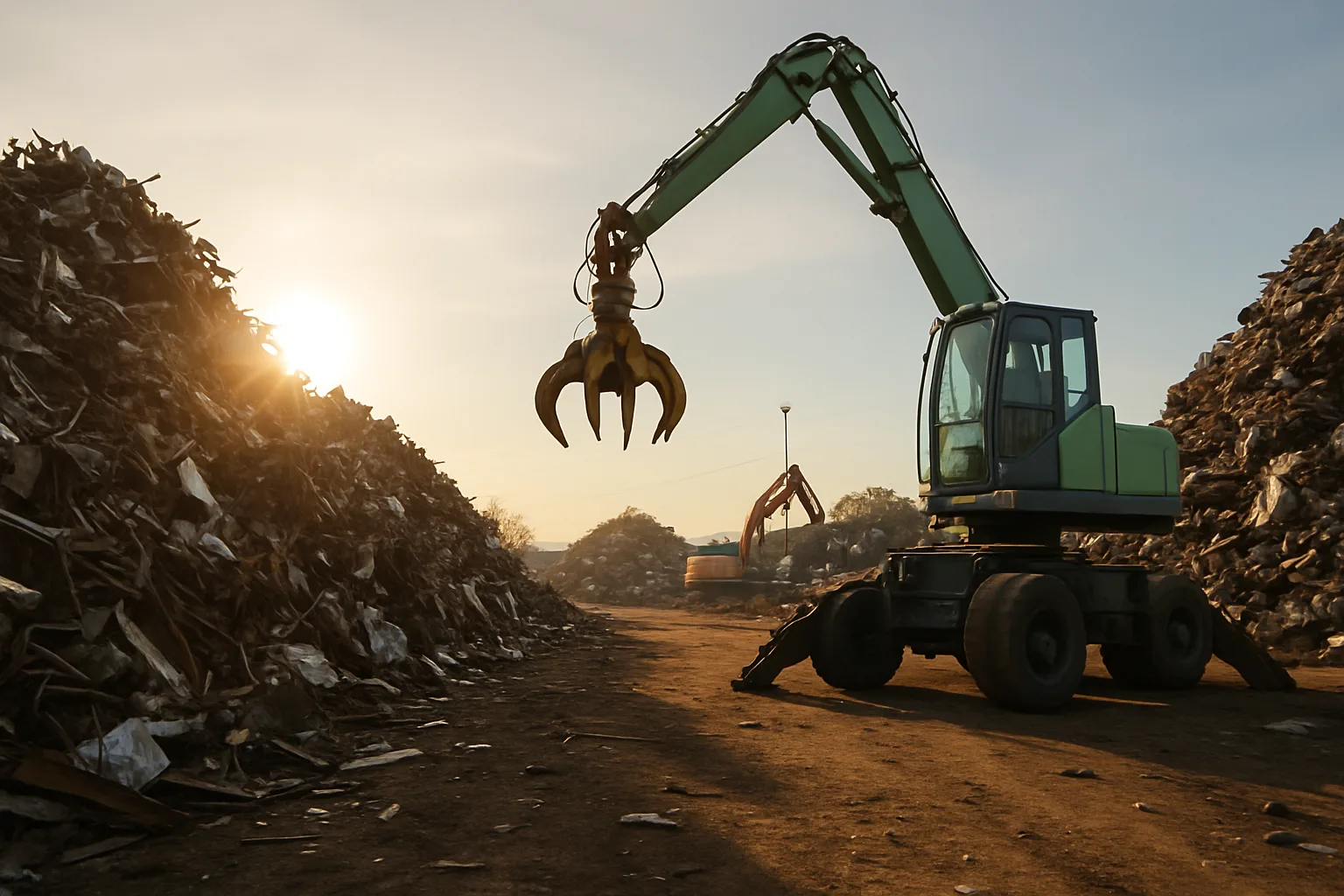
What Really Happens When You Recycle a Car the Right Way
Every year, millions of end-of-life vehicles get abandoned in driveways, pushed to the back of properties, or handed off to the first buyer who shows up with cash — no questions asked. Most owners never think about what happens next. They should. The difference between responsible vehicle recycling and a shady backyard operation isn't just environmental — it affects your payout, your liability, and what ends up in the ground near your community.
If you're looking to sell scrap car Guelph, understanding the environmental side of the process isn't just good citizenship. It's smart selling. Buyers who follow proper depollution and dismantling protocols tend to operate more transparently — and transparent operations tend to pay more fairly. That's not a coincidence.
The Environmental Cost of Doing It Wrong
A single end-of-life vehicle contains a surprising number of hazardous materials. Before a car becomes scrap metal, it needs to be carefully depolluted. That means removing:
- Engine oil and transmission fluid — up to several litres per vehicle
- Coolant (antifreeze) — toxic to animals and groundwater
- Brake fluid and power steering fluid
- Refrigerants from the A/C system — regulated substances under federal guidelines
- Fuel remaining in the tank
- Mercury switches — found in older vehicles, particularly pre-2003 models
- Lead-acid batteries
- Airbag inflators — contain sodium azide, a controlled explosive compound
When a vehicle skips proper depollution — whether it's crushed immediately, stripped carelessly, or left to rot — those fluids and compounds leach into soil and water. In Ontario, environmental regulations require licensed auto recyclers to follow strict depollution standards before any vehicle is shredded or crushed. Not every operation follows through. That's why where you sell matters as much as what you sell.
Guelph sits in the Grand River watershed — one of the most significant freshwater systems in southern Ontario. Contamination from improper vehicle disposal doesn't stay local. It moves. That makes responsible recycling in this region particularly important, not just on paper but in practice.
What Good Vehicle Recycling Actually Looks Like
Responsible recycling isn't complicated, but it does require the right buyers and the right process. Here's what a legitimate end-of-life vehicle operation does from the moment your car is picked up:
- Safe fluid extraction. All hazardous fluids are drained and collected before any mechanical work begins. These go to licensed processors — not the storm drain.
- Battery removal and recycling. Lead-acid batteries are among the most recycled items in North America. A compliant buyer pulls them first and routes them properly.
- Refrigerant recovery. This requires certified equipment. It's not optional under Canadian environmental law.
- Parts harvest. Reusable components — engines, transmissions, doors, glass, electronics — get pulled and resold. This extends the life of parts that still have value and reduces manufacturing demand.
- Catalytic converter removal and processing. Cats contain platinum group metals (PGMs) and carry real value. A legitimate buyer accounts for this in your offer — they don't quietly pocket it.
- Metal shredding and sorting. What remains — ferrous steel, aluminum, copper wiring — goes into the metal recycling stream. Steel from end-of-life vehicles gets melted down and reused in manufacturing.
Steel recycling alone has a massive environmental payoff. Producing steel from recycled scrap uses significantly less energy than virgin ore processing — and generates far lower carbon emissions. Every tonne of scrap steel recycled keeps raw extraction out of the equation. Your old sedan sitting in a Guelph driveway is genuinely part of that supply chain when it's handled correctly.
Why Responsible Recycling Often Means a Better Offer — and How a Scrap Metal Auction Platform Changes the Game
Here's the part most sellers don't connect: operations that cut corners on environmental compliance usually cut corners on price too. The buyer who shows up, doesn't ask questions, doesn't give you paperwork, and hauls your car away for next to nothing? They're not running a tight operation. They're extracting value without accounting for it — including the value in your catalytic converter, your aluminum wheels, and your reusable parts.
A scrap metal auction platform like SMASH changes the equation. Instead of one buyer making you a take-it-or-leave-it offer, multiple vetted buyers compete for your vehicle. Competition creates price discovery. You find out what your car is actually worth — not what one buyer decides to tell you it's worth.
SMASH connects sellers across Canada with buyers who document what they're buying, provide proper paperwork, and compete on price. That accountability runs in both directions — buyers on the platform know they're being evaluated, and sellers know they're not flying blind. For anyone looking to sell scrap car in Ontario, that structure matters. You're not just getting a better number. You're getting a process that holds up legally and environmentally.
Want to understand what your vehicle could actually bring? get a free car valuation in Canada and see what competitive bidding looks like before you commit to anything.
Selling a Car You Inherited, Damaged, or Can No Longer Insure
Not every car that ends up in recycling was driven into the ground. Plenty of sellers in Ontario are dealing with an inherited vehicle from an estate, a car written off after an accident, a vehicle they can no longer afford to insure, or a second car that's just taking up space after an upgrade. Each situation has its own wrinkles — but the environmental and financial principles are the same.
A car sitting idle still depreciates. It still poses a liability risk if it's unregistered or uninsured on your property. And if it has mechanical issues or salvage title status, a private sale becomes genuinely difficult. Most private buyers want a clean, running vehicle. They don't want to deal with a written-off car or a vehicle from a probated estate.
That's exactly where buyers who specialize in unwanted vehicles come in — and where platforms like SMASH give you leverage. You don't need to disclose your situation to a single buyer and hope they're fair. You present the vehicle, its condition, its documentation, and let buyers compete. The car goes to someone who knows how to process it properly. You get a fair number. The environmental chain stays intact.
If your vehicle needs to be removed quickly — same day or within a tight window — Canadian scrap car removal from GetMyScrapCar is a practical option to explore alongside your other choices.
For Guelph sellers specifically, local demand for scrap and used vehicle parts tends to be steady given the city's manufacturing and industrial base. That means your car likely has more buyers interested than you think. The Guelph scrap metal services landscape is active — but you still need to reach the right buyers, not just the closest one.
The Numbers Behind Vehicle Recycling in Canada
Canada's automotive recycling industry is one of the country's more significant environmental success stories — though it rarely gets framed that way. End-of-life vehicles are one of the most recycled consumer products in North America. The metals recovered from vehicles re-enter manufacturing supply chains, reducing the need for primary extraction.
Aluminum recovered from vehicles gets back into production faster than almost any other recycled material. Copper wiring, electronic components, and PGMs from catalytic converters all hold real market value. None of that value appears in a lowball cash offer from an unvetted buyer who knocks on your door.
Pricing for scrap vehicles fluctuates based on metal commodity markets — steel, aluminum, and PGM prices all shift through the year. Disclaimer: prices change frequently based on global commodity markets. Always check current rates before accepting an offer. What doesn't change is the principle: more buyers competing for your vehicle means better price discovery, regardless of where the market sits on a given day.
You can browse Canadian car selling tips on our blog to stay current on what affects vehicle valuations and how to time your sale effectively.
How to Sell Responsibly and Still Get Top Dollar in Guelph
You don't have to choose between doing the right thing environmentally and getting a fair price. The two aren't in conflict — they're the same path. Here's what the process looks like when you do it right:
- Document your vehicle. Year, make, model, condition, what's working, what isn't. Photos help buyers make accurate offers remotely.
- Know what you have. If the car runs, that matters. If it has a newer battery, intact catalytic converters, or reusable parts, those affect value.
- Get multiple offers. Never accept the first number. Competition is how you find the real price.
- Confirm paperwork. A legitimate buyer will handle the title transfer properly. If someone wants to take your car without documentation, walk away.
- Ask about pickup. Free scrap car pickup in Guelph is available through vetted buyers — you shouldn't have to pay for removal on a vehicle with scrap value.
- Understand what happens next. Ask where the vehicle goes. A buyer who explains their process is a buyer operating above board.
SMASH makes this straightforward. Connect with trusted auto buyers in Canada through SMASH Cars and skip the guesswork. Your car gets in front of buyers who compete for it — not buyers who assume you have no other options.
When you're ready to move your unwanted vehicle and want a process that's fair, documented, and environmentally sound, SMASH is how you get there. Get your free offer at smash-cars.ca — no pressure, no obligation, just real buyers competing for your car.
Frequently Asked Questions
Q: Can I sell my scrap car in Guelph without paying for pickup?
Yes. Vehicles with legitimate scrap value typically qualify for free pickup. If a buyer wants to charge you for removal on a vehicle that contains metal, parts, and a catalytic converter, that's a red flag. Get multiple offers and confirm that pickup is included before you agree to anything.
Q: What documents do I need to sell a scrap car in Ontario?
You'll generally need the vehicle ownership (registration) to complete a proper title transfer in Ontario. If the vehicle is from an estate, you may need additional documentation proving authority to sell. A legitimate buyer will walk you through what's required — if they're not asking for paperwork, ask yourself why.
Q: How is the price for a scrap car in Guelph determined?
Several factors affect the offer: the weight of the vehicle, current scrap metal prices (particularly steel and aluminum), the condition and presence of the catalytic converter, and whether any reusable parts remain intact. Metal commodity prices fluctuate, so the offer you get today may differ from one you received six months ago. Always check current market conditions before accepting.
Q: Is it better to sell a damaged car for scrap or try to sell it privately?
For seriously damaged, written-off, or high-mileage vehicles, the private sale market is thin. Most private buyers want running, insurable vehicles. Scrap and salvage buyers specifically look for what you have — and through a platform like SMASH, you get competing offers rather than a single lowball number from one buyer who knows you have limited options.
Q: Does recycling my car in Guelph actually make an environmental difference?
Yes, meaningfully so. A properly recycled vehicle keeps hazardous fluids out of the watershed, recovers high-value metals that reduce demand for primary extraction, and gives reusable parts a second life. In a city like Guelph — located within the Grand River watershed — responsible vehicle disposal has direct local environmental relevance, not just abstract benefit.
Stay current on scrap metal market trends and vehicle selling tips by following SMASH on LinkedIn — industry updates, price movement context, and practical insights for Canadian sellers.