When a Family Member Passes Away, the Last Thing You Want to Handle Is Paperwork — But the Car Won't Wait
Settling an estate is exhausting. You're dealing with grief, legal obligations, family coordination, and a pile of decisions that can't be put off. And sitting in the driveway — or a storage lot, or a neighbour's garage — is a vehicle that belonged to someone you loved. It needs to go. But how do you sell a car that isn't in your name? What does scrap car value today even look like for a vehicle you inherited? And what happens if there's no title, no keys, or no insurance?
This guide cuts through the confusion. Whether you're in Windsor, somewhere else in Ontario, or anywhere across Canada, here's exactly what you need to know about selling a deceased family member's car — legally, quickly, and for more than scrap value if the vehicle warrants it.
Understanding Estate Vehicle Transfers in Ontario and Across Canada
In Ontario — and most provinces — a vehicle registered in a deceased person's name can't simply be sold as-is. Ownership needs to transfer before or during the sale, and the process depends on whether the estate has gone through probate. This sounds complicated, but for most families, it's more paperwork than it is a legal battle.
Here's what the process generally looks like in Ontario:
- No Will / No Probate: If the estate is small and straightforward, surviving family members may be able to transfer ownership using a statutory declaration and proof of relationship. Your local ServiceOntario location can walk you through the current requirements.
- With a Will: The executor named in the will has the legal authority to sell estate assets, including vehicles. The executor can sign the transfer documents and initiate the sale directly.
- Probate Granted: If the estate has gone through probate, the executor holds a Certificate of Appointment. This document, combined with the vehicle's ownership permit, is typically enough to authorize a sale.
- Joint Ownership: If the deceased co-owned the vehicle with a surviving spouse or partner, the transfer process is often simpler — the surviving owner may be able to assume full ownership and sell from there.
Requirements do vary by province. If you're outside Ontario — say, in British Columbia, Alberta, or Quebec — contact your provincial vehicle licensing authority directly. The core principle is the same: someone with legal authority over the estate needs to authorize the sale. Don't try to shortcut this. It protects you from liability down the road.
What If There's No Title, No Keys, or No Insurance?
This is where a lot of families get stuck. The car might be ten years old, sitting on flat tires in a storage yard near Windsor. The keys are lost. The insurance lapsed six months ago. The ownership permit might be in a filing cabinet nobody's gone through yet — or it might be missing entirely.
These situations are more common than you think, and they're not necessarily dealbreakers. Here's how to approach each one:
- No Title / Missing Ownership Permit: In Ontario, a replacement ownership permit can be requested through ServiceOntario using the vehicle's VIN. If you're the executor, you'll need to bring documentation confirming your authority over the estate. This is usually straightforward.
- No Keys: Many scrap and auto buyers will still purchase a vehicle without keys. They have the equipment to tow it and deal with it on their end. Just be upfront about the situation when you request a quote.
- No Insurance: You're not required to insure a vehicle before selling it as scrap or to a buyer who will resell or part it out. The buyer takes on the vehicle at the point of sale. Don't let lapsed insurance stop you from moving forward.
- Written-Off or Salvage Title: If the vehicle was previously written off by an insurer, it may carry a salvage brand on its title. This affects resale value, but it doesn't prevent you from selling it — buyers who deal in salvage vehicles and parts are active in this market.
If you're dealing with a complex situation — multiple missing documents, no clear executor, or a vehicle with liens — it's worth a quick call to a licenced paralegal or estate lawyer before you proceed. The cost of an hour of legal advice is far less than the headache of a sale that falls apart.
How to Assess Scrap Car Value Today for an Inherited Vehicle
Before you sell, know what you're working with. Scrap car value today is driven by a few key factors: the vehicle's weight, its metal composition, the current price of ferrous and non-ferrous metals, and whether the car has any usable parts or components that command above-scrap pricing.
A typical passenger car weighs somewhere between 1,200 and 1,800 kilograms. Steel scrap prices fluctuate — check current rates before making any decisions, as metal prices can move significantly week to week. (Disclaimer: all metal prices referenced in this article are general guidance only. Verify current market rates before selling.)
That said, "scrap value" is often the floor, not the ceiling. Vehicles with:
- A functioning engine or transmission
- Intact catalytic converters (which contain platinum, palladium, and rhodium)
- Low mileage relative to age
- Rare or in-demand parts for that make and model
- Intact interior components in good condition
...can fetch meaningfully more than raw scrap weight. A buyer who part-sources vehicles will often pay more than a straight scrap yard because they're recovering value from components, not just metal. Platforms like connect with trusted auto buyers in Canada through SMASH Cars exist precisely to surface this kind of competitive interest — rather than leaving money on the table because you only called one buyer.
Selling a Deceased Family Member's Car in Windsor — What the Local Process Looks Like
Windsor sits at one of the busiest cross-border corridors in North America, and the local scrap and auto market reflects that. There's no shortage of buyers — but there is a wide spread in what different buyers will offer for the same vehicle. That gap matters when you're trying to settle an estate fairly, especially if multiple family members are involved.
If the vehicle is in Windsor or the surrounding area, the practical steps are:
- Confirm your authority to sell. Are you the executor? Do you have the estate documents? Get this in order first.
- Locate or replace the ownership permit. ServiceOntario's Windsor locations can assist with replacement documentation.
- Assess the vehicle honestly. Running or not? Keys or no keys? Any obvious high-value components? Be upfront with buyers — it saves time.
- Get multiple offers. Don't accept the first quote. Estate situations sometimes attract lowball offers because buyers assume the family just wants it gone. Competition changes that.
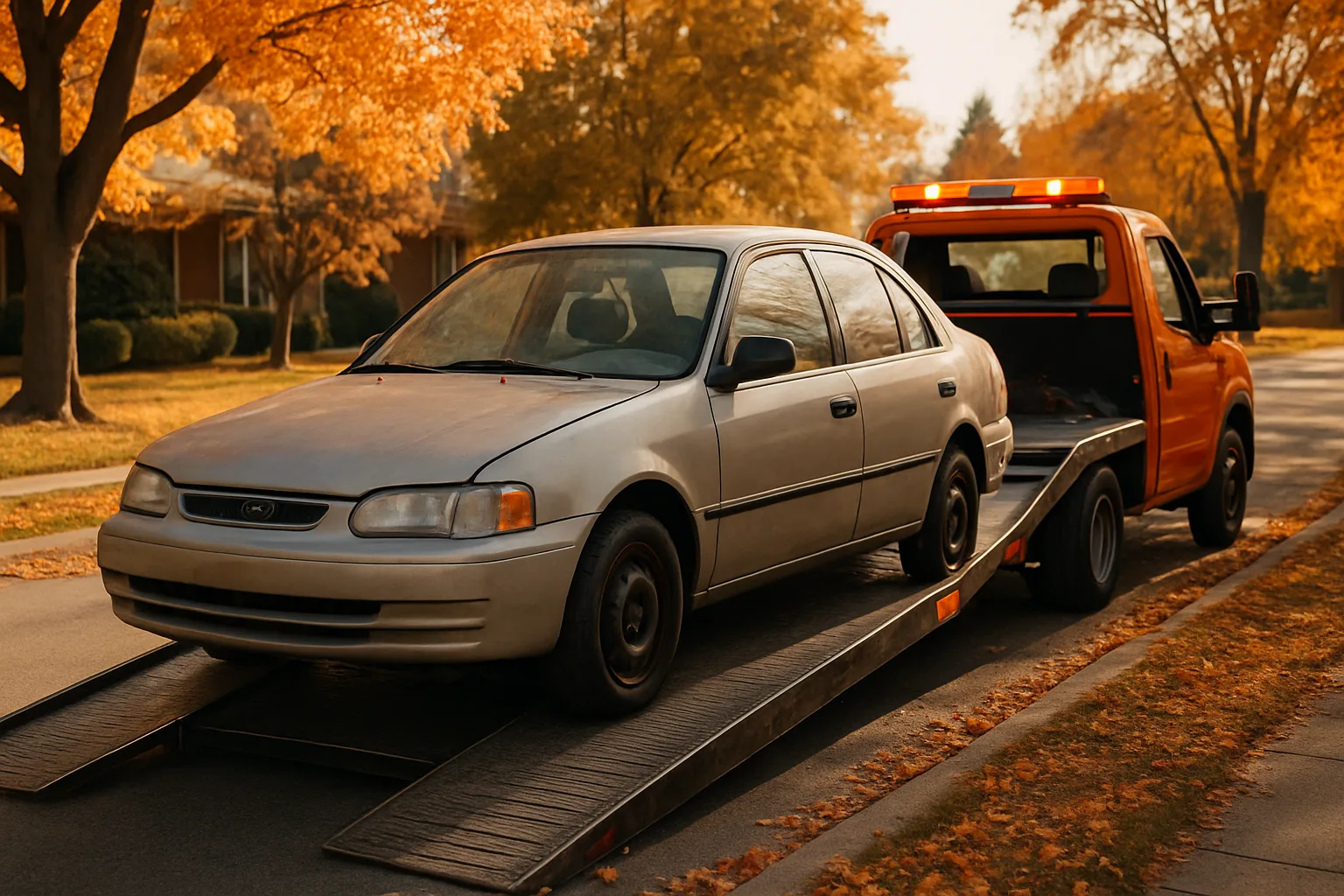
- Arrange free pickup. Most reputable buyers will come to you. You shouldn't be paying for towing on a vehicle sale. You can schedule free scrap car pickup in Canada to get the vehicle removed without hassle or upfront cost.
- Complete the paperwork. Sign over ownership, retain a copy of the bill of sale, and confirm the buyer is deregistering the vehicle so you're not on the hook for anything that happens after the sale.
For Windsor-specific help navigating Windsor scrap metal services and local auto buyer networks, there are resources built specifically for Ontario sellers who need to move a vehicle fast and fairly.
Why Competition Matters More Than Speed When Selling an Estate Vehicle
When you're grieving, the temptation is to take the first offer and move on. That's understandable. But estate vehicles — particularly older ones with intact parts — are often worth more than whoever calls first is willing to admit. The first buyer to reach you doesn't necessarily represent the market. They represent their own margin.
This is where SMASH changes the dynamic. Rather than calling one buyer and hoping for a fair number, SMASH puts your vehicle in front of multiple vetted buyers who compete for it. More buyers means better price discovery. You're not guessing what the market will bear — you're seeing it play out in real time.
It's the same principle that applies to any asset sale: competition produces better outcomes than exclusivity. A vehicle sitting in a Windsor driveway after a family loss deserves the same market exposure as any other asset in the estate. You can get a free car valuation in Canada to start that process without any obligation.
For more guidance on navigating vehicle sales in Canada — estate situations, insurance write-offs, upgrades, donations, and everything in between — browse Canadian car selling tips on our blog.
Frequently Asked Questions
Q: Can I sell a car that belonged to a deceased family member without probate?
In many cases, yes. If the estate is straightforward and you can demonstrate your relationship to the deceased and your authority to act on behalf of the estate, some buyers and provincial registries will work with you using a statutory declaration. However, requirements vary by province — confirm with ServiceOntario or your provincial equivalent before proceeding.
Q: What is scrap car value today for an older vehicle in Windsor, Ontario?
Scrap car value is primarily based on vehicle weight and current steel prices, both of which fluctuate regularly. A typical car in the 1,200–1,800 kg range will generate a base scrap offer, but vehicles with intact components — especially catalytic converters and working drivetrains — can exceed that base. Always get multiple offers and check current market rates, as prices can shift week to week.
Q: What do I do if I can't find the car's ownership permit?
In Ontario, you can apply for a replacement ownership permit through ServiceOntario using the vehicle's VIN. If you're acting as executor, bring your estate documentation. Most buyers are experienced with this situation and can wait for replacement documents to be processed.
Q: Can I sell a car in Ontario with no keys and no insurance?
Yes. Many buyers — particularly those dealing in scrap and salvage vehicles — purchase cars without keys and don't require active insurance. Be upfront about the vehicle's condition when requesting quotes. A reputable buyer will factor this into their offer rather than refuse the sale outright.
Q: How do I make sure I'm not liable for the vehicle after I sell it?
Get a signed bill of sale that clearly states the date, sale price, buyer's information, and the vehicle's VIN. In Ontario, the buyer is responsible for transferring ownership after the sale. Confirm they've done so, and keep your copy of the bill of sale indefinitely. This protects you if the vehicle is involved in any incident after it leaves your hands.
---Settling an estate is hard enough without a vehicle sitting in limbo. If you're ready to move forward — whether the car runs or not, title in hand or still tracking down paperwork — SMASH can connect you with vetted buyers across Canada who compete for your vehicle and treat estate sellers with the seriousness the situation deserves. Get your free offer at smash-cars.ca.
Follow SMASH on LinkedIn for ongoing market updates, scrap metal price trends, and practical guidance for Canadian vehicle and metal sellers.