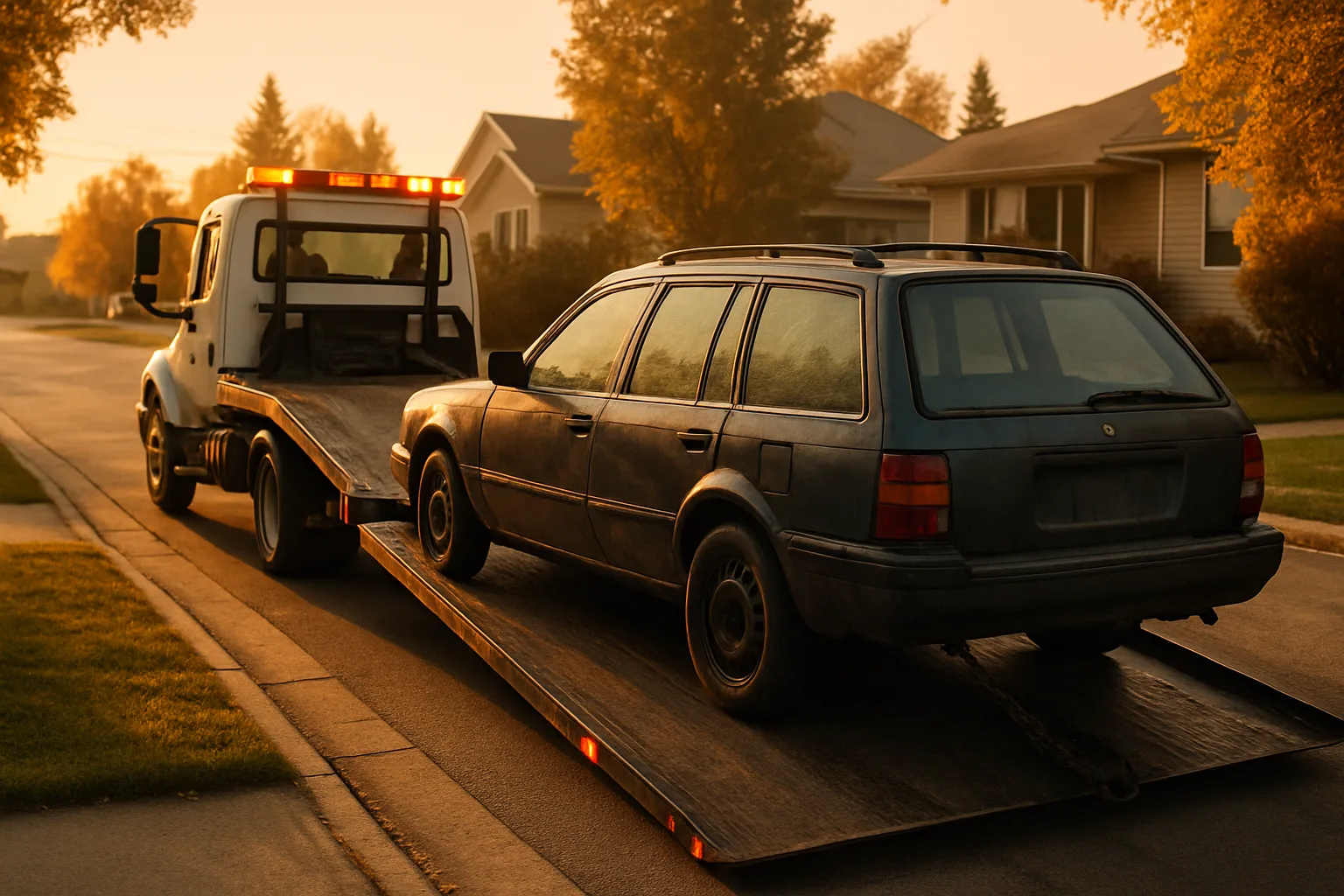
Settling an estate is hard enough without a car sitting in the driveway that nobody wants, nobody insures, and nobody knows what to do with. If you've inherited a vehicle in Saskatoon and your first instinct is to call a scrapyard, hold on. Estate vehicles — even old, damaged, or unregistered ones — are often worth more than scrap value. You just need to know where to look and how to move fast.
This guide walks you through every realistic option for an unwanted estate vehicle in Saskatchewan, from a quick scrap car removal in Saskatoon to getting a competitive cash offer through a buyer network. No legal jargon. No runaround. Just the practical steps that actually work.
Why Estate Vehicles Are Different from Regular Car Sales
When you inherit a vehicle, you're not just selling a car. You're dealing with a title that's in someone else's name, a vehicle that may have lapsed insurance, and a timeline tied to probate or estate settlement. That combination creates real friction — and it's why so many estate vehicles sit untouched for months.
Here's what makes estate vehicles unique:
- Title transfer complexity: In Saskatchewan, you typically need a grant of administration or probate documents before you can legally transfer ownership. SGI handles the transfer, but the paperwork has to be in order first.
- No insurance coverage: Most personal auto policies expire at death or cancel shortly after. An uninsured vehicle sitting in a driveway creates liability if it's damaged or stolen.
- Unknown mechanical condition: You may have no idea what the car's history looks like — maintenance records, accidents, or outstanding recalls.
- Emotional weight: Selling a parent's or spouse's vehicle is not just a transaction. A clean, fast process matters.
None of these are deal-breakers. They're just factors that shape which selling option is right for you. The good news is that buyers who specialize in estate and unwanted vehicles deal with exactly these situations every day.
Your Real Options: From Scrap Car Removal to Above-Scrap Value Offers
Not every estate vehicle is a candidate for a private sale. But not every one belongs at the scrapyard either. The right option depends on the vehicle's condition, the urgency of the estate settlement, and what documentation you currently have access to.
Option 1: Scrap Car Removal
If the vehicle is heavily rusted, mechanically dead, or has no salvageable parts worth marketing, scrap car removal in Saskatoon is the fastest way to close the file. A licensed buyer will typically tow the vehicle for free, pay you based on weight and current scrap metal prices, and handle the deregistration paperwork. Turnaround can be same-day or next-day in most cases.
The caveat: scrap pricing is tied to commodity markets. Steel and non-ferrous metals fluctuate, and a vehicle that earns $300 one month might earn less the next. If the car is truly end-of-life, scrap removal is still a solid, dignified way to close out the estate asset.
Option 2: Sell for Parts Value
A vehicle doesn't have to run to be worth more than its scrap weight. Catalytic converters, engines, transmissions, wheels, doors, and electronics all have standalone resale value. If the estate vehicle is a popular make or model — especially a truck or SUV common in Saskatchewan — its parts may be worth significantly more than bulk scrap.
The challenge here is time. Parting out a vehicle takes effort and storage space. Most estate executors don't want to deal with it. That's where a buyer who assesses above-scrap value becomes the smarter call — they factor in parts value and give you a single offer without the work.
Option 3: Sell to a Cash Buyer Network
This is where platforms like SMASH come in. Rather than calling one buyer and guessing whether their offer is fair, you connect with vetted buyers who compete for your vehicle. That competition creates better price discovery — you find out what the market actually thinks your vehicle is worth, not just what one buyer is willing to offer on a Monday morning.
Through connect with trusted auto buyers in Canada through SMASH Cars, estate executors can get a legitimate offer without insurance, without a safety certificate, and without the vehicle being in running condition. That flexibility matters when you're dealing with an inherited car.
Option 4: Donate the Vehicle
If the estate has no pressing need for cash from the vehicle, car donation is an option. Some Canadian charities accept vehicle donations and issue a tax receipt. The receipt is based on the vehicle's fair market value, not the charity's proceeds. Confirm the charity is a registered Canadian charity before proceeding, and get the valuation in writing. This route works best when the estate is in a strong financial position and wants to direct value toward a cause the deceased cared about.
What Documentation Do You Actually Need to Sell an Estate Vehicle in Saskatchewan?
This is the question most people search for and rarely get a straight answer to. Here's the practical reality for Saskatchewan estate vehicle sales in 2026:
- Proof of authority: You'll need documentation showing you're the executor or administrator of the estate. This is typically a grant of probate or letters of administration issued by the court.
- Death certificate: Most buyers and SGI require a copy as part of the title transfer process.
- Vehicle registration: Find the original registration document. If it's missing, SGI can issue a replacement.
- Bill of sale: You'll sign this as the estate representative, not as the deceased owner.
If probate is still in progress, talk to the buyer upfront. Many experienced buyers — including those who operate through get a free car valuation in Canada — are familiar with estate timelines and can lock in an offer now while you finalize the paperwork. Don't let document delays stop you from getting a price established.
How Junk Car Buyers Near Saskatoon Evaluate Estate Vehicles
When you're looking for junk car buyers near you in Saskatoon, understand what they're actually looking at. Buyers assess estate vehicles differently than a typical trade-in at a dealership. They're not checking your service history or running a CARFAX for resale. They're evaluating:
- Year, make, and model: Trucks and SUVs common in Saskatchewan tend to hold above-scrap value longer due to parts demand.
- Body condition: Frame rust, accident damage, and body panel condition affect parts usability.
- Drivetrain condition: Does it run? Does it drive? Even a partial run means more value.
- Catalytic converter: Still attached and intact? Cats carry meaningful non-ferrous metal value depending on the vehicle.
- Weight: For full scrap, weight is the primary pricing factor. Most passenger cars run between 1,200 and 1,800 kg.
The more information you can provide upfront — year, make, model, condition, and photos — the faster and more accurate the offer will be. For buyers using structured inventory tools, detailed vehicle data means a better quote and fewer surprises at pickup. If you want to browse Canadian car selling tips on our blog, you'll find more guidance on how buyers assess value and what you can do to maximize your offer before reaching out.
Getting More Than Scrap Value: What Actually Moves the Number
Here's what most people don't realize: the difference between a scrap offer and an above-scrap offer usually comes down to one thing — competition. A single buyer has no incentive to offer you more than the floor. Multiple buyers competing for the same vehicle absolutely do.
That's the core problem with calling one yard and accepting whatever they say. The old way — one phone call, one offer, no leverage — leaves money on the table every time. The smarter move is getting your vehicle in front of vetted buyers who know they're competing.
Beyond competition, these factors can push an estate vehicle above scrap pricing:
- The vehicle has a relatively recent model year (even if damaged)
- It has low mileage relative to its age
- Parts are in demand in your region
- It includes the title and documentation upfront (faster closing = more value to buyers)
- You can provide photos and accurate condition details
For estate vehicles specifically, speed and documentation clarity are your two biggest levers. Buyers price in risk. The less risk they take on, the better the offer. And if you want to explore scrap car removal in Canada at GetMyScrapCar, that's a solid starting point for vehicles that are firmly in end-of-life territory.
What Happens After the Vehicle Is Sold
Once you've accepted an offer and the vehicle is picked up, a few administrative steps close out this estate asset cleanly:
- Notify SGI: Report the sale and transfer of ownership. This removes ongoing registration liability from the estate.
- Cancel insurance: If the estate has been maintaining insurance on the vehicle, cancel the policy and recover any unused premium.
- Document the sale for estate records: Keep the bill of sale, the buyer's details, and the sale amount for the estate's financial accounting.
- Issue proceeds to the estate: Sale proceeds become part of the estate assets, distributed according to the will or intestate succession rules in Saskatchewan.
Dealing with Saskatoon scrap metal services that understand estate sales makes these final steps smoother. Buyers who regularly handle inherited and unwanted vehicles know how to complete the paperwork correctly, so you're not left chasing signatures after the fact.
If you're settling an estate in Saskatoon — or anywhere across Saskatchewan — the goal is simple: close this asset, get fair value, and move on. You don't need to become a car expert. You just need the right buyer in your corner. SMASH connects you with vetted buyers who deal with exactly these situations, competing to give you a real offer on the vehicle as it sits. Get connected with trusted auto buyers in Canada through SMASH and get your free offer at smash-cars.ca.
Frequently Asked Questions
Q: Can I sell an estate vehicle in Saskatoon without a safety certificate?
Yes. Most scrap car buyers and cash-for-cars services in Saskatoon do not require a safety certificate. Safety inspections are typically required for vehicles being resold for road use, not for vehicles sold for scrap or parts value. Confirm with the buyer upfront what documentation they need.
Q: How fast can I get scrap car removal in Saskatoon for an estate vehicle?
Many buyers can arrange pickup within one to two business days once an offer is accepted and basic documentation is confirmed. If probate is still ongoing, you can often lock in a price now and schedule pickup once paperwork clears.
Q: What if the estate vehicle has no title or the title is still in the deceased's name?
This is common. In Saskatchewan, you'll work through SGI with your probate documents to transfer the title to the estate before selling. Some buyers experienced with estate vehicles can guide you through this process or work with your estate lawyer to coordinate the transfer.
Q: Is scrap car removal in Saskatoon free?
Most licensed scrap car buyers in Saskatoon offer free towing as part of the deal. The pickup cost is factored into their offer. Confirm free pickup when you get your quote — a reputable buyer will state it clearly upfront.
Q: Can I sell an uninsured estate vehicle in Saskatchewan?
You can sell an uninsured vehicle, but you cannot legally drive it on Saskatchewan roads without valid insurance and registration. Arrange for the buyer to tow or transport the vehicle rather than attempting to drive it to a buyer's location. Most cash-for-cars services in Saskatoon accommodate this.
Follow SMASH on LinkedIn for scrap metal market updates, industry insights, and tips for getting more value from your unwanted vehicles: linkedin.com/company/scrap-metal-auction-sales-hub.
```