Most people hand over their keys and never think about it again. But if you've ever wondered what actually happens to your vehicle after it's scrapped — you're not alone. Understanding the process can help you make smarter decisions, get more money, and avoid getting shortchanged by buyers who count on you not knowing.
Whether you're in Mississauga looking to get rid of a rusted-out sedan, or you've inherited a vehicle in Ontario that hasn't moved in years, knowing how the scrap process works gives you leverage. And leverage means better offers.
If you're searching for we buy junk cars Mississauga services, read this first. It'll change how you approach the conversation.
Step One: The Vehicle Gets Assessed and Drained
The moment your car arrives at a licensed auto recycler or salvage yard, the first job is depollution. Before anything gets crushed or melted, trained technicians drain every fluid from the vehicle. That includes engine oil, transmission fluid, brake fluid, power steering fluid, antifreeze, and refrigerant from the A/C system.
This step is legally required in Ontario and across Canada. It protects the environment and prevents hazardous materials from leaching into soil or water. Reputable recyclers document this process. If a buyer doesn't mention it — or worse, skips it — that's a red flag.
Once the fluids are out, the battery gets pulled and set aside. Batteries contain lead and acid, both of which have real recycling value. A good 12-volt battery can be resold or recycled through dedicated battery programs. This is one of the first places value gets extracted from your vehicle — even before the dismantling begins.
High-Value Parts Get Pulled Before the Crusher Sees It
Here's what most sellers don't realize: the vehicle you drop off isn't just "scrap." It's a parts inventory on wheels. Skilled dismantlers spend time pulling anything with resale or recycling value before the shell goes to the crusher.
Parts commonly removed and resold include:
- Catalytic converters — these contain platinum, palladium, and rhodium, making them among the most valuable components on any vehicle
- Alternators, starters, and water pumps — high-demand repair parts
- Transmissions and engines (if still functional)
- Doors, hoods, fenders, and body panels in reusable condition
- Seats, airbags, and interior trim
- Wheels, tires, and rims
- Electronic modules, radios, and navigation systems
This is exactly why the condition and completeness of your vehicle matters when you're negotiating a price. A car missing its catalytic converter is worth significantly less. If you want to sell catalytic converters online separately before scrapping the car, that's a legitimate move — but it changes how buyers price the remaining vehicle. Know what you have before you commit to anything.
Platforms like SMASH help sellers understand how individual components affect total vehicle value, so you're not leaving money on the table when you decide to get a free car valuation in Canada.
The Scrap Metal Value: What Actually Drives the Number
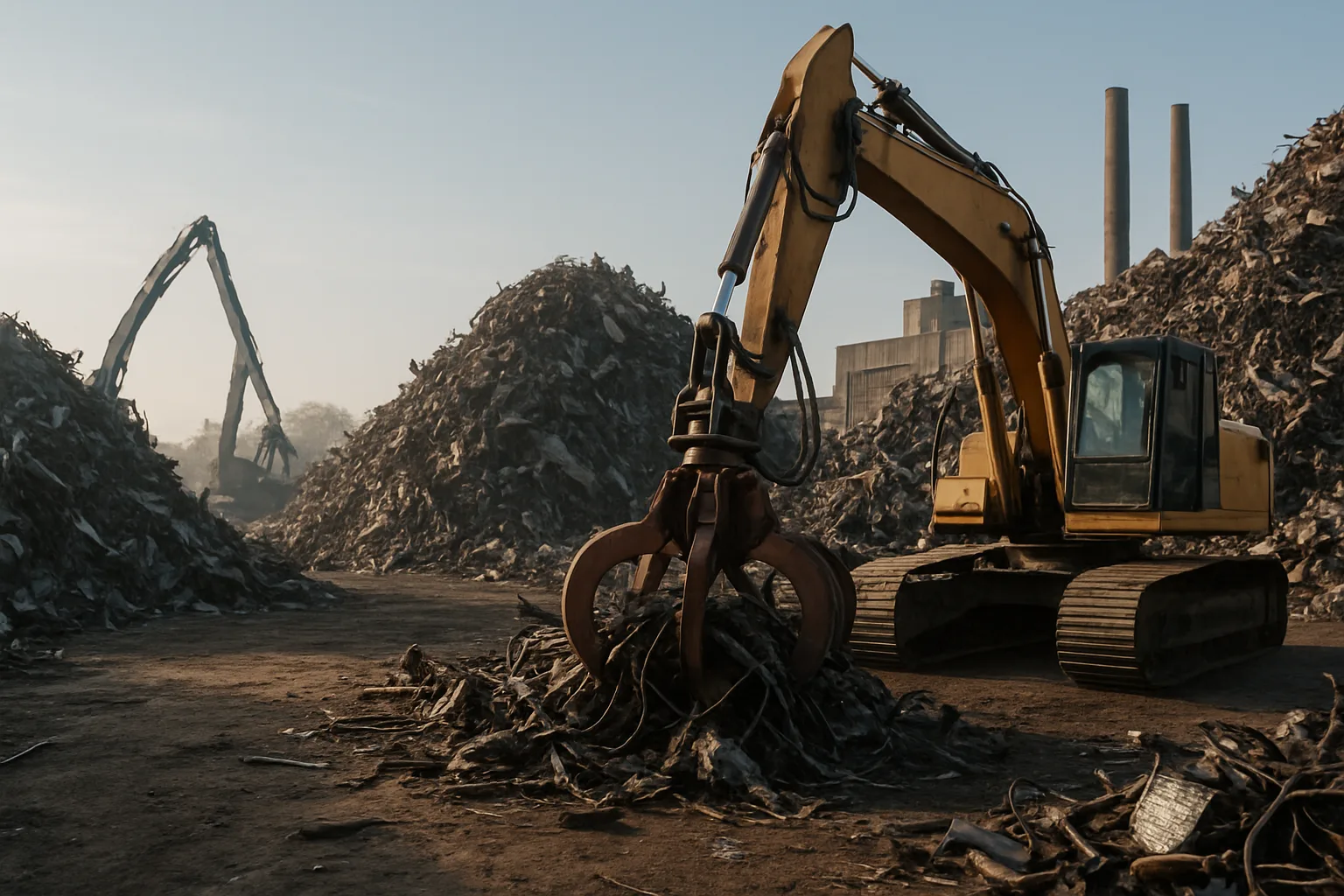
Once reusable parts are stripped, what remains is primarily steel — and some aluminum, copper, and other non-ferrous metals depending on the vehicle. This shell goes to a metal shredder. Modern shredders can process a full car body in seconds, producing shredded steel that gets sorted, baled, and sold to steel mills for remelting.
The price you receive for scrap is tied directly to live commodity markets. Steel scrap prices fluctuate week to week based on global demand, mill activity, and freight costs. The weight of your vehicle matters — a heavy-duty pickup or full-size SUV yields considerably more scrap steel than a compact hatchback.
For context, a typical passenger car weighs roughly 1,400 to 2,000 kilograms. Only a portion of that is pure steel suitable for scrap — some of it is mixed materials, plastic, glass, and rubber that gets separated and processed differently. This is why scrap prices are quoted per tonne and why heavier vehicles typically fetch better junk car prices near me than lighter ones.
Disclaimer: Scrap metal prices fluctuate constantly. The numbers above are general reference points only. Always check current market rates before accepting an offer.
If you want a fast read on how scrap prices work and what affects your payout, browse Canadian car selling tips on our blog for current guidance.
Why Scrap Value Is a Floor — Not a Ceiling
Here's the honest truth about scrap car removal Mississauga services: most of them are buying at scrap metal rates, even when your vehicle is worth more. A running car with decent tires, a solid interior, and a clean catalytic converter has value well above bare scrap weight. If the buyer doesn't ask about those details, they're pricing for their margin — not yours.
This is the gap that separates a smart seller from someone who just takes the first call. The old way of selling a junk car is a single phone call to a single buyer who gives you a single number. You have no idea if it's fair. You have no competition. You have no leverage.
The smarter approach is getting your vehicle in front of multiple vetted buyers — buyers who can see exactly what they're bidding on through proper documentation, photos, VIN lookup, and part-level detail. That's what cash for cars Ontario sellers are increasingly using platforms like SMASH to accomplish. Competition creates better price discovery. It's that simple.
If you've been through a sell my junk car online experience before and walked away feeling like you undersold — you probably did. Not because you did anything wrong, but because you only had one data point.
What Happens to the Paperwork — and Why It Matters
Scrapping a vehicle in Ontario requires proper documentation. You'll need to transfer ownership and notify the Ministry of Transportation. Failure to do this properly can leave you on the hook for parking tickets, environmental violations, or liability if the vehicle somehow ends up on public roads after the sale.
A licensed buyer handling scrap car removal Mississauga will walk you through the ownership transfer. But not every buyer operates above board. Here's what to confirm before you hand over the keys:
- The buyer is a registered Ontario vehicle recycler or licensed dealer
- You receive a signed bill of sale with the buyer's name, address, and date
- You complete the ownership transfer form correctly — the buyer's name goes on the back of the permit
- You notify your insurance provider and cancel your plate registration
- You keep a copy of everything for at least a year
If the buyer is vague about paperwork, pushes you to skip steps, or asks you to sign a blank transfer form — walk away. Protecting yourself legally is part of getting the most out of the transaction.
For vehicles that have been in accidents, are written off, or carry a salvage title, the process has extra steps. Salvage title vehicles have a permanently branded title that follows them through any future transactions. This affects resale value but doesn't mean you can't still get strong offers — especially if the vehicle has intact mechanical components or a high-value catalytic converter.
How to Make Sure You Get More Than Scrap Value
Not every junk car is worth the same. Knowing what drives value — and presenting your vehicle accordingly — can meaningfully change the offer you receive. Here's how to position your vehicle before you accept anything.
- Know your make, model, year, and trim. Buyers who can look up the VIN get a clearer picture. The more detail you provide upfront, the more confident buyers are in their bids.
- Document what works. Does the engine crank? Does the A/C blow cold? Are the windows intact? List what's functional — it matters.
- Take photos. Good photos of the interior, underbody, engine bay, and all four corners give buyers the information they need to bid confidently and accurately.
- Don't remove parts unless you know what you're doing. Stripping a catalytic converter incorrectly can damage the pipes and reduce its resale value. If you want to sell catalytic converters online separately, research the correct process first.
- Get multiple offers. One quote is not a market. Two is barely better. Three or more is where you start to see real price discovery.
Whether you're in Mississauga or anywhere else across Ontario, the principle is the same: more buyers competing for your vehicle means a better outcome for you. That's the foundation of what connect with trusted auto buyers in Canada through SMASH Cars is built to deliver.
And if you're dealing with an estate vehicle, an uninsured car, or something that hasn't moved in years, don't assume it's only worth scrap weight. Get it in front of buyers who actually want it. You might be surprised. For those who also want to explore full removal options, you can explore scrap car removal in Canada at GetMyScrapCar for a seamless pickup experience.
Ready to find out what your vehicle is actually worth? Get connected with trusted auto buyers in Canada through SMASH — get your free offer at smash-cars.ca.
Frequently Asked Questions
Q: How long does the scrap car process take in Mississauga?
Most scrap car removals in Mississauga can be arranged within 24 to 48 hours once you accept an offer. Same-day pickup is possible through some buyers depending on their schedule and your location. Having your ownership documents ready speeds the process up considerably.
Q: Do I need to drain the fluids before selling my junk car?
No — that's the buyer's responsibility. A licensed auto recycler in Ontario is required to handle depollution, including draining all fluids, before dismantling or crushing the vehicle. You should not need to do this yourself. If a buyer asks you to, it's a red flag.
Q: What's the difference between scrap value and market value for a junk car?
Scrap value is based purely on the weight of recoverable metal in your vehicle. Market value accounts for resalable parts, working components, and buyer demand — and is almost always higher. Sellers who get multiple offers through a competitive platform like SMASH are more likely to receive offers that reflect true market value rather than just scrap weight.
Q: Can I sell my junk car in Ontario without a safety certificate?
Yes. When selling to a licensed scrap buyer or auto recycler, a safety certificate is not required. The vehicle is being purchased for parts or metal — not for road use. You will still need to transfer ownership properly and cancel your plates with the Ministry of Transportation.
Q: Does it matter if my car is missing its catalytic converter?
Yes, it matters — and it will affect the offer you receive. Catalytic converters contain precious metals that make them one of the most valuable parts on a scrap vehicle. A car missing its cat is worth less than one with it intact. Some buyers adjust their bids significantly based on this, so be upfront about it when requesting offers.
Follow SMASH on LinkedIn for scrap metal market insights, industry updates, and tips on getting the most from your next vehicle sale.
```