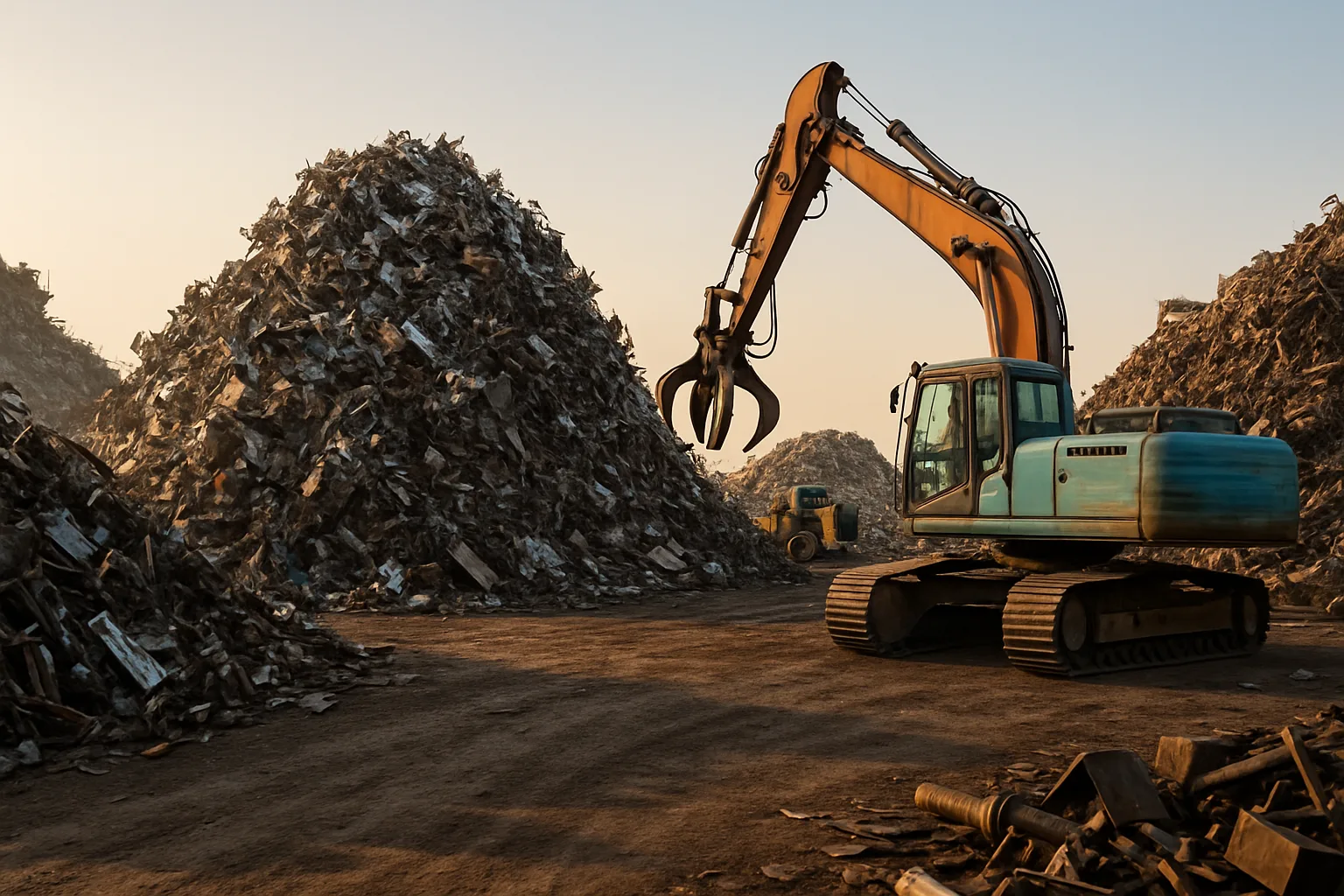
What Really Happens When You Recycle a Vehicle the Right Way
Most people think scrapping a car is simple — a tow truck shows up, the car disappears, done. But the difference between responsible vehicle recycling and cutting corners has a real environmental cost. In Canada, end-of-life vehicles are one of the largest sources of recoverable materials in the country, and how they're handled matters more than most owners realize.
If you're looking to sell my car fast Etobicoke, you deserve to know what happens after your vehicle leaves the driveway — and why doing it through a vetted, transparent process protects both you and the environment. This isn't about guilt. It's about getting maximum value while keeping hazardous waste out of the ground.
The Environmental Stakes: Why Vehicle Recycling Canada-Wide Has Gotten Stricter
A single end-of-life vehicle contains a surprising range of toxic materials. Motor oil, transmission fluid, brake fluid, coolant, power steering fluid, and battery acid — each of these can leach into soil and groundwater if a vehicle is abandoned or scrapped carelessly. In Ontario, provincial regulations around hazardous waste disposal have tightened considerably, and processors who handle vehicles are held to documented standards for fluid extraction and material segregation.
That's not just bureaucratic paperwork. It's why scrap metal recycling Canada-wide has shifted toward certified dismantlers who can account for every litre of fluid recovered. A vehicle that gets stripped properly yields recoverable fuel, reusable parts, and clean scrap metal — all of which re-enter the supply chain instead of sitting in a leaking heap behind a fence somewhere. For car owners in Etobicoke and across Ontario, this means choosing who you sell to actually matters.
- A typical passenger vehicle contains 5–10 litres of motor oil that must be extracted before crushing
- Catalytic converters contain platinum, palladium, and rhodium — high-value metals that should be properly recovered
- Lead-acid batteries must be handled by certified recyclers under Canadian hazardous waste guidelines
- Refrigerants in A/C systems require certified evacuation — illegal to vent into the atmosphere
- Tires must be directed to approved tire recycling programs, not landfill
Skip any one of these steps, and you're not recycling — you're just moving a problem. Buyers who rush to offer you fast cash without documented processes are likely skipping some of these steps.
The Steel Story: Why Scrap Metal Recycling Is More Valuable Than People Think
Steel is the most recycled material in North America by volume. A standard passenger vehicle is roughly 60–65% steel and iron by weight, which means the average car or truck contains well over 900 kilograms of recoverable ferrous metal. When that steel goes back into electric arc furnaces rather than a landfill, it displaces the need for virgin ore mining — a process that consumes enormous energy and generates significant emissions.
Recycled steel production uses dramatically less energy than producing steel from raw iron ore. That gap matters at scale. Canada's auto recycling sector processes hundreds of thousands of vehicles annually, and that collective recovery keeps a meaningful amount of CO₂ out of the atmosphere. For the car owner in Etobicoke deciding whether to sell a damaged vehicle or let it rust in the driveway, there's a real environmental upside to acting sooner rather than later.
Beyond steel, vehicles also contain:
- Aluminum — engine blocks, wheels, and trim pieces; recycling aluminum uses a fraction of the energy required to smelt new material
- Copper — wiring harnesses and motor windings, consistently valuable in the non-ferrous market
- Plastic and rubber — increasingly recoverable through modern dismantling processes
- Glass — windshields and windows can be recycled through dedicated programs
This is exactly why selling through a transparent platform that connects you to vetted buyers — rather than the first person who answers a cold call — can mean the difference between getting scrap weight pricing and getting actual market value for recoverable materials.
Cash for Junk Cars in Etobicoke: Getting More Than Scrap Value Without the Runaround
The traditional model for cash for junk cars Etobicoke went like this: you call one buyer, they quote you a low-ball number, and you either take it or waste another afternoon making more calls. You had no idea whether you were leaving money on the table. Most sellers were. That's not the buyer's fault — it's just how single-buyer, no-competition markets work.
A vehicle with a working engine, intact catalytic converter, low-rust body panels, or reusable parts is worth more than crushed steel tonnage. When only one buyer sees it, that additional value rarely shows up in your offer. When multiple vetted buyers compete, the price reflects the actual market. That's not a slogan — it's how price discovery works. More buyers means better price discovery.
Platforms like SMASH are built specifically to close that gap. Whether you're selling an accident-damaged vehicle, an uninsured car, an inherited vehicle from an estate, or an old daily driver you've finally upgraded from, the goal is the same: get your vehicle in front of buyers who will compete, not just the one who picks up the phone fastest. You can get a free car valuation in Canada without committing to anything — which is how it should work.
For Etobicoke sellers specifically, the advantage is real. The GTA has a dense buyer market, which means legitimate competition is available — if you use the right channel to access it.
What to Do With a Car That Has No Title, Salvage Status, or Damage History
A lot of car owners hesitate because their situation feels complicated. Maybe it's an estate vehicle with unclear paperwork. Maybe it's a written-off car with a salvage title. Maybe it was in an accident, has no insurance, or sat in a driveway long enough that you're not sure what you'd get for it. These concerns are legitimate — but they shouldn't stop you from finding out what your car is worth.
Searches like sell my junk car no title spike every week because these situations are extremely common. In Ontario, a missing title doesn't automatically kill a sale — it requires documentation and the right buyer who knows how to handle it. Estate vehicles, donated cars, and accident write-offs all have different processes, but they all have a pathway to sale.
The key is working with buyers who are experienced in these scenarios and a platform that documents the transaction properly. That protects you legally and makes sure the vehicle ends up with a recycler or reseller who handles it responsibly. If you're dealing with a salvage title car value question or trying to figure out what a written-off vehicle is actually worth in the current market, start with a valuation before assuming you're stuck with scrap prices.
For more on navigating tricky vehicle sale scenarios, browse Canadian car selling tips on our blog — there's specific guidance on estate vehicles, accident-damaged cars, and uninsured vehicle sales.
Same-Day and Fast Vehicle Removal: What It Actually Means for Responsible Recycling
Speed matters to sellers. A car sitting unregistered in Etobicoke is costing you money in opportunity cost, potential municipal complaints, and ongoing depreciation. Selling fast isn't the enemy of selling smart — but it's important to understand what "fast" actually means in a responsible process.
A legitimate fast sale still involves fluid documentation before transport, proper titling and transfer paperwork, and handoff to a certified dismantler or buyer. What it doesn't involve is an unlicensed tow operator with no paper trail who quotes you $200 over the phone and vanishes. That's not fast — that's cheap, and it usually means the vehicle ends up handled irresponsibly.
Same-day car removal in the GTA is absolutely achievable through the right channel. If your car is documented, photographed, and valued properly upfront, the physical pickup can happen quickly. The preparation time pays dividends — better offers, cleaner transactions, and a clear record that your vehicle was handled within Ontario's environmental standards. Services like getmyscrapcar.ca are built for exactly this kind of fast, legitimate removal.
When you're ready to move, connect with trusted auto buyers in Canada through SMASH Cars — the process is built to be straightforward without cutting the corners that matter.
Frequently Asked Questions
Q: How do I sell my car fast in Etobicoke without getting a low-ball offer?
The fastest way to avoid low offers is to create competition. One buyer means one price. Using a platform that connects your vehicle to multiple vetted buyers gives you a real market offer, not just whatever one buyer decides to quote. SMASH Cars is designed specifically for this — you submit your vehicle details once and let buyers compete.
Q: What happens to my car after it gets picked up for recycling in Ontario?
A properly handled end-of-life vehicle goes through fluid extraction, parts assessment for reuse, dismantling for non-ferrous metals, and finally crushing for ferrous scrap. Ontario processors are held to provincial hazardous waste standards, which means toxic fluids must be documented and properly disposed of. Choosing a vetted buyer gives you confidence the process is followed correctly.
Q: Can I sell my junk car in Etobicoke if I don't have the title?
In many cases, yes — but it depends on the buyer and the specific circumstances. Missing titles are common with estate vehicles, long-stored cars, and older models. The right buyer will walk you through the documentation needed to complete a legal transfer. Don't assume a missing title means zero value — get a valuation first and ask the question directly.
Q: Is it worth more to sell a damaged car privately or through a buyer platform?
It depends on the damage and the market. Accident-damaged vehicles with intact drivetrains, working engines, or low-rust bodies often have more value than scrap weight suggests. A buyer platform that creates competition gives you a better read on actual market value than a single private buyer or a quick scrap quote. Documentation and photos make a real difference in the offer you receive.
Q: What environmental risks come from keeping a junk car sitting on your property in Etobicoke?
An unregistered vehicle leaking fluids on your driveway or property is a real environmental and regulatory risk. Motor oil, coolant, and battery acid can contaminate soil over time, and municipalities in Ontario have bylaws around inoperable vehicles on private property. Recycling it properly eliminates that liability and puts money in your pocket at the same time.
Recycling your vehicle responsibly isn't just the right thing to do — it's often the most financially smart move too. Competition reveals market value. Documentation protects you legally. And choosing vetted buyers means your car gets handled the way Ontario's environmental standards require. If you're ready to find out what your vehicle is actually worth, connect with trusted auto buyers in Canada through SMASH Cars and get your free offer at smash-cars.ca.
Follow SMASH on LinkedIn for ongoing industry updates, scrap metal market insights, and news relevant to vehicle sellers and buyers across North America.