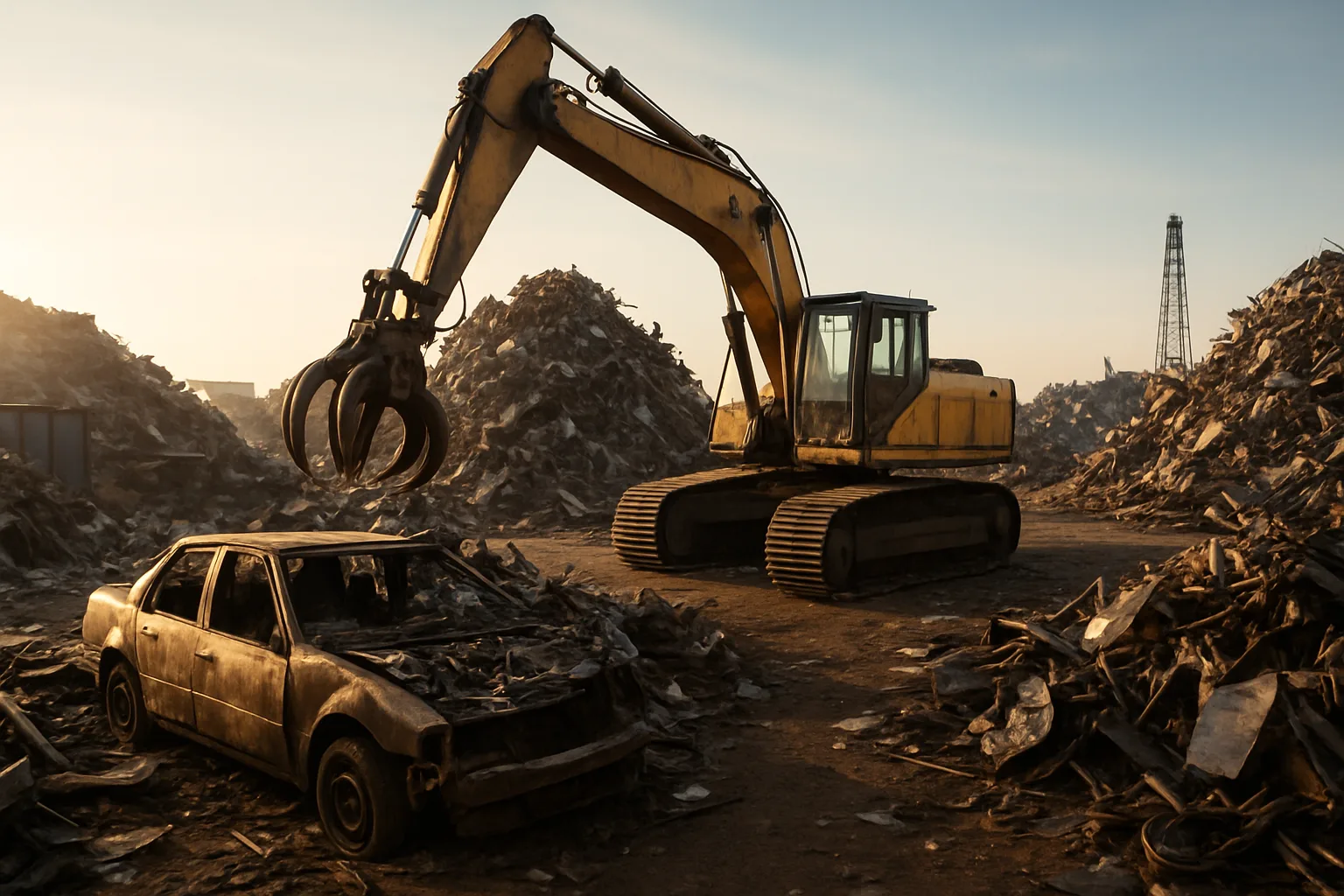
Your Junk Car Is Worth More Than the Scrap Yard Is Telling You
Most people selling an unwanted vehicle leave money on the table. They call the nearest scrap yard, take whatever number gets thrown at them, and sign the car over — never knowing if that offer was fair. In Saskatoon, where winters are brutal and vehicles age fast, that happens constantly. The good news: free scrap car pickup Saskatoon doesn't have to mean minimum payout. If you know how the market works, you can do significantly better.
This isn't about squeezing pennies. A car that looks like scrap to one buyer might have real parts value to another. The difference between those two buyers — and which one you reach first — can mean hundreds of dollars in your pocket. Let's break down exactly how to position your unwanted vehicle for more than scrap value, whether it runs, doesn't run, has a title, or doesn't.
Why Scrap Value Is the Floor — Not the Number
Scrap metal prices today fluctuate based on commodity markets, steel demand, and regional buyer competition. In Canada, the price per tonne of shredded steel shifts regularly — sometimes week to week. When a scrap yard quotes you a price, they're typically working from that base commodity rate, minus their margin for processing, hauling, and overhead.
That's their number. It's not your number.
Your vehicle may contain components that have value well above the melt price:
- Catalytic converters — depending on the vehicle make and model, these can carry meaningful precious metal content (platinum, palladium, rhodium)
- Engines and transmissions — working or not, these get rebuilt and resold
- Wheels and tires — aftermarket demand is consistent
- Body panels and trim — especially for popular models where OEM parts are scarce
- Batteries, starters, alternators — steady demand from repair shops
When you call a single buyer, you get one opinion. That opinion reflects their business model, their current inventory needs, and their margin targets — not necessarily what the market would actually pay. More buyers means better price discovery. That's not a theory. That's how competitive markets work.
What Kind of Vehicle Can Get More Than Scrap Value?
This is where a lot of sellers second-guess themselves. They assume a vehicle has to be running, clean, and titled to fetch a real offer. That's not accurate.
Vehicles that regularly sell above scrap weight include:
- Estate vehicles — cars inherited after a death in the family, often older but low-mileage or well-maintained
- Accident-damaged vehicles — written-off or salvage-title cars still have parts value and rebuild potential
- Uninsured vehicles — you can sell a car without insurance in most provinces; you just need to be clear about its status
- No-title vehicles — some buyers specialize in these situations; proper documentation can often substitute
- End-of-life vehicles that still run — even a car that's been sitting for two years may start and drive onto a trailer
- Flood or fire-damaged vehicles — scrap and parts buyers still want these
- High-mileage vehicles post-upgrade — if you just bought something new and want rid of the old one fast
If your vehicle fits any of these categories, the worst thing you can do is assume scrap is your only option. Saskatchewan has a healthy secondary vehicle market — buyers looking for parts, rebuilders, and resellers all operate in and around Saskatoon. The question is whether you can reach them efficiently.
The Problem with One Phone Call and a Guess
The traditional process looks like this: you Google "junk car removal Saskatoon," call the first result, give them a description, and take whatever they offer — usually without knowing what competing buyers might pay. That's not selling. That's guessing.
Single-buyer transactions have no natural pressure to be fair. The buyer knows you're not calling five other yards. They know you want this done fast. So they price accordingly.
Platforms like connect with trusted auto buyers in Canada through SMASH Cars change that dynamic. When your vehicle is visible to multiple vetted buyers simultaneously, those buyers compete. Competition can help reveal the market. You're no longer accepting an opinion — you're receiving actual market data in the form of real competing offers.
That's the structural fix. Not a trick. Not a negotiation tactic. Just proper market exposure.
How to Prepare Your Vehicle to Get the Best Offer
Even for a junk car, preparation matters. Buyers make offers based on information. Better information — accurate mileage, honest condition description, documented history — gives buyers more confidence. More confidence translates into stronger offers.
Here's what you can do before you list or request an offer:
- Locate your title or ownership documents. If you don't have them, note that upfront — don't hide it. Many buyers handle title issues regularly.
- Take honest photos. Exterior, interior, engine bay, any damage. Don't try to make it look better than it is. Accurate photos reduce back-and-forth and build trust.
- Know your VIN. Buyers use it to check history, confirm specs, and assess parts demand. Have it ready.
- Note what works and what doesn't. Does it start? Does it drive? Are the windows intact? Is the catalytic converter still in place?
- Remove personal items. Obvious — but often forgotten. Check the trunk, under seats, and the glovebox.
- Check for valuable aftermarket additions. A $400 aftermarket stereo is worth mentioning. New tires are worth mentioning.
You don't need a detailed mechanic's report. You just need enough information that a buyer can make a real decision without hedging. Documented inventory gives buyers more confidence — and that confidence shows up in offers.
If you're in Saskatoon and want a straight answer on what your vehicle is worth, get a free car valuation in Canada through SMASH and see what actual buyers are willing to pay before you commit to anything.
Saskatoon Market Conditions and What They Mean for Your Offer
Saskatoon's vehicle market has its own rhythm. Saskatchewan winters are hard on vehicles — rust, seized components, worn undercarriages are common. That affects how buyers price older units. But it also means parts demand is strong. A rusted-out body on a reliable drivetrain still has value to local shops and private rebuilders.
Scrap metal prices today are tied to steel commodity markets, and those shift with broader economic conditions — construction demand, manufacturing output, trade policy. In 2026, North American scrap markets have seen continued volatility. That means the offer you got six months ago may not reflect what you'd get today — in either direction.
Disclaimer: Metal prices fluctuate regularly. The offer on your vehicle will depend on current market rates at the time of sale. Check current rates before making decisions based on older quotes.
For Saskatchewan sellers, timing matters. Don't sit on an unwanted vehicle assuming the market will improve. An older vehicle depreciates faster than scrap prices move. If you're ready to sell, getting offers now — from multiple buyers — is almost always better than waiting.
You can also browse Canadian car selling tips on our blog for more on how timing and market conditions affect your final payout.
What Happens After You Accept an Offer
This part trips people up. They accept an offer and then discover the process is more complicated than expected — paperwork, towing logistics, payment timing. Here's what a clean transaction should look like:
- Written offer first. Get the number confirmed in writing before anything is scheduled.
- Free pickup confirmed. Legitimate buyers cover their own towing. If someone asks you to pay for pickup, that's a red flag.
- Payment at pickup or same day. Cash, e-transfer, or certified payment at the time of vehicle handoff is standard for reputable buyers.
- Bill of sale and title transfer. Get a signed bill of sale. In Saskatchewan, you'll need to complete the transfer of ownership through SGI — make sure the buyer's name and details are on the paperwork.
- Cancel your insurance and plates. Once the vehicle is gone, contact SGI to remove the plates and cancel coverage. Don't leave that open.
If you have a vehicle with no title, a salvage designation, or complex estate paperwork, experienced buyers handle these situations regularly. Don't let paperwork complications push you into a lowball cash-only deal with a stranger. Work with vetted buyers who have a process.
For a different route on end-of-life vehicles, you can also explore scrap car removal in Canada at GetMyScrapCar — another option for vehicles that have reached the end of the road.
When your vehicle is ready and your documentation is in order, SMASH connects you with buyers who are already in the market. No subscription fees. No guessing. If your vehicle sells, everyone wins — that's the model.
Ready to find out what your unwanted vehicle is actually worth? Get connected with trusted auto buyers in Canada through SMASH — get your free offer at smash-cars.ca. If you're in the Saskatoon area, you can also check out available Saskatoon scrap metal services to understand your local options before you decide.
Frequently Asked Questions
Q: Is free scrap car pickup in Saskatoon actually free?
Yes — legitimate buyers and removal services cover their own towing costs. That's standard in the industry. If a buyer asks you to pay for pickup, walk away. The pickup cost is already factored into their offer, and the transaction should cost you nothing out of pocket.
Q: Can I sell my car in Saskatoon if I don't have the title?
Many buyers work with vehicles that have missing or complex title situations — especially estate vehicles, inherited cars, or older units where paperwork has been lost. Be upfront about it from the start. You may need to obtain a replacement title through SGI, or the buyer may have a process for handling it. Don't assume a missing title kills the deal.
Q: How are scrap metal prices today affecting what I get for my junk car?
Scrap metal prices today directly affect the base value of any vehicle going to the crusher. Steel commodity prices shift regularly, and your offer will reflect current rates at the time of sale. Prices from six months ago may not apply today. Always get a fresh quote — and get more than one.
Q: What's the fastest way to sell my car for cash in Saskatchewan?
Get your vehicle details ready — VIN, photos, accurate condition description — and submit to a platform that reaches multiple vetted buyers at once. Competitive offers come back faster when buyers know others are looking at the same vehicle. Same-day or next-day offers are common for clear-titled vehicles in reasonable condition.
Q: Can I get more than scrap value if my car doesn't run?
Yes — a non-running vehicle still has parts value, catalytic converter value, and sometimes rebuild potential depending on the make and model. The key is reaching buyers who specialize in parts or rebuilds, not just scrap yards. Exposure to multiple buyer types is what gets you above the floor price.
Stay current on Canadian scrap markets and car selling insights — follow SMASH on LinkedIn at linkedin.com/company/scrap-metal-auction-sales-hub for regular industry updates.