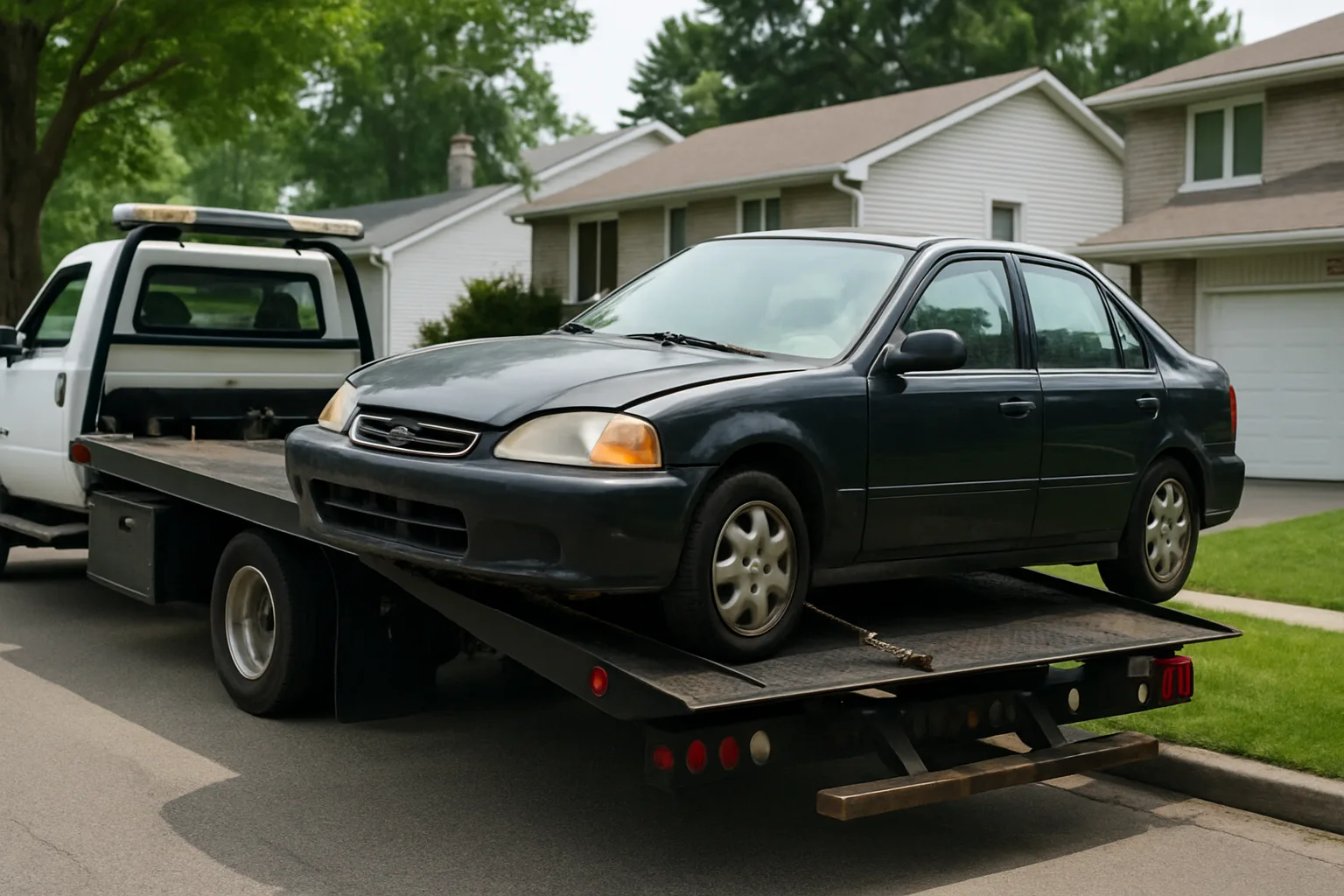
That Junk Car in Your Driveway Is Costing You Money Right Now
Most people think a junk car sitting on their property is a neutral thing — it's just there, not hurting anyone. That thinking is expensive. A vehicle that isn't running, isn't insured, and isn't going anywhere is actively draining your wallet, your space, and in some cases, your legal standing. If you've been putting off junk car removal in Quebec City, here's what that delay is actually costing you — in real terms.
This isn't a scare piece. It's a breakdown of the real financial and practical consequences of waiting, and what you can do about it today.
The Hidden Costs That Add Up Every Month You Wait
A non-running car looks like a static problem. It isn't. The costs compound quietly, and most owners don't track them because they don't get one big bill — they get a dozen small ones.
Here's what sitting vehicles actually cost over time:
- Depreciation of remaining scrap value. Metal prices move. A vehicle worth a solid payout today may bring in less six months from now depending on commodity markets. fluctuates with steel and aluminum demand, and waiting is a gamble you didn't sign up to take.
- Fluid leaks and environmental damage. Old vehicles leak. Brake fluid, engine oil, coolant, and transmission fluid don't sit still — they seep into your driveway, your lawn, and potentially your municipality's drainage system. In Quebec, environmental regulations around fluid runoff from residential properties are enforced. Remediation isn't cheap.
- Municipal fines and bylaw violations. Quebec City has property standards bylaws. An inoperable, uninsured vehicle stored visibly on your property can trigger complaints and fines. Even if you've never had a problem, that doesn't mean you won't.
- Ongoing insurance dilemmas. Some owners keep minimal insurance on a dead vehicle to avoid registration issues. That's money out of pocket every month for a car that moves nowhere.
- Space you can't use. Whether it's a garage bay, a driveway spot, or a portion of your property — that space has value. You're renting it to a dead car for free.
None of these are hypothetical. Talk to anyone who left a junk vehicle sitting for two or three years and they'll tell you the same thing: they wish they'd moved sooner.
What Your Scrap Car Is Actually Worth — And Why Timing Matters
Here's the part most people get wrong. They assume a junk car has no real value beyond a few hundred dollars in scrap metal. That assumption leaves money on the table — sometimes significant money.
A vehicle's value at end-of-life comes from several sources, not just its weight in steel:
- Catalytic converter content — palladium, platinum, and rhodium are valuable non-ferrous metals with their own market pricing
- Aluminum components — wheels, engine blocks, and transmission housings all carry non-ferrous value
- Copper wiring harnesses — often overlooked but consistently valuable
- Resalable parts — engines, transmissions, body panels, and interior components that buyers want to pull before crushing
- Overall vehicle weight — the base ferrous steel value that forms the floor of any offer
When you sell through a single buyer — one call, one offer, take it or leave it — you're not seeing the actual market. You're seeing what one person is willing to pay on that day. That's the old way. Platforms that connect you with multiple vetted buyers give you actual price discovery. More competition means better outcomes for the seller. That's not a promise — it's just how auctions work.
The scrap car value today for a full-size sedan in reasonable condition in Quebec can vary meaningfully depending on who's buying, what they need, and what the commodity markets are doing. Don't guess. Get actual offers.
The Quebec City Seller's Situation: What Makes It Specific Here
Selling a junk car in Quebec City has a few wrinkles that owners elsewhere don't always face. Understanding them helps you move faster and smarter.
Language and paperwork: Quebec requires vehicle transfer documentation in French, and the SAAQ (Société de l'assurance automobile du Québec) has specific processes for title transfers on end-of-life vehicles. Working with buyers who understand this process saves headaches. Reputable platforms that facilitate cash for cars in Quebec handle this regularly — it shouldn't be a barrier.
Seasonal pressure: Quebec winters are hard on stored vehicles. If a car has been sitting through even one or two seasons without being driven, the brake lines, battery, seals, and tires will have degraded. Every winter that passes on a stored vehicle is another argument for moving sooner rather than later. By spring in Quebec City, the junk car market picks up — but so does the competition from other sellers. Getting ahead of that wave makes sense.
Local buyer networks: Quebec City isn't a small market, but it's also not Toronto or Montreal. Working with a platform that connects you to vetted buyers across Quebec — not just your immediate area — expands your options and your price. If you're relying on word of mouth or a single local contact, you're leaving options unexplored.
If you want to understand how local buyers price vehicles in this region, you can also explore Quebec City scrap metal services to get a clearer picture of what's active in your area.
Common Situations Where People Wait Too Long — And What Actually Happened
This is the case study section. These are real patterns — not invented testimonials, but composite situations that represent what owners across Canada actually experience when they delay.
The Estate Vehicle That Sat for 18 Months
A family in Quebec inherited a 2009 pickup after a parent passed. Nobody wanted to deal with it in the immediate grief period — understandable. Eighteen months later, the truck had developed a fuel leak, the tires had rotted flat, and the catalytic converter had been stolen (a growing problem for vehicles left unattended). The payout they received was a fraction of what they would have gotten if they'd sold it within the first few months. Connecting with trusted auto buyers in Canada through SMASH Cars earlier in that process would have meant a better outcome — financially and logistically.
The Post-Accident Car That "Might Be Fixable"
A driver in Quebec had a collision in late 2024. The car wasn't written off but wasn't worth repairing at the quoted cost. For over a year, it sat in a driveway while the owner researched cheaper repair options. By the time they decided to sell it as salvage, the car had been broken into, the airbags had been stripped, and the offer they received reflected that damage. Selling a damaged car fast — even for less than ideal — often beats waiting for a miracle repair estimate.
The Upgrade That Never Got Cleaned Up
Someone bought a new vehicle and parked the old one "just in case." Two years later, the old car hadn't moved, the registration had lapsed, and the value had dropped. The opportunity cost of that parking space alone — if it had been a rented spot in Quebec City — would have paid for several months of car payments.
These aren't edge cases. They're patterns. Waiting costs more than acting.
How to Sell Your Junk Car Without the Runaround
The process doesn't have to be complicated. Here's what a clean transaction looks like for a Quebec City seller:
- Gather your vehicle information. Year, make, model, VIN, current condition (running or not), and any parts that are missing or damaged. Honest information upfront leads to better offers and no last-minute surprises.
- Get multiple offers. Don't accept the first number you're given. Whether you use a platform that connects you to vetted buyers or you do it yourself, compare at least two or three offers before committing. Competition is your friend here.
- Understand what you're selling. Know whether the offer includes pickup. Know whether the buyer handles the SAAQ paperwork or whether you're responsible. Know whether you're being paid per kilogram of scrap or a flat fee for the whole vehicle — those can produce very different outcomes depending on the car.
- Confirm the pickup timeline. A good buyer commits to a specific window, not a vague "we'll be in touch." Free pickup should be included for most end-of-life vehicles in the Quebec City area.
- Get paid before or at pickup. Not after. Not pending processing. At pickup or in advance. That's the standard.
If any of that sounds like more friction than you expected, it doesn't have to be. You can get a free car valuation in Canada through SMASH and see what your vehicle is actually worth before you commit to anything. No pressure, no subscriptions, no runaround.
For owners who want to understand the broader scrap car market — not just their own vehicle but how pricing works across Canada — browsing Canadian car selling tips on our blog is a solid starting point. And if your situation involves a vehicle that's already been fully stripped down or needs scrap-level removal, exploring scrap car removal in Canada at GetMyScrapCar gives you another dedicated avenue.
Stop Renting Space to a Car That Doesn't Pay Rent
That junk car in your driveway isn't neutral. It's a liability that grows quietly — in fines, in lost value, in environmental risk, and in the space and mental load it occupies. Quebec City sellers who move quickly get better prices, cleaner transactions, and one less thing to manage.
If you've been putting this off, the best time to act was six months ago. The second best time is now. SMASH connects you with vetted buyers across Canada who compete for your vehicle — which means you see the actual market, not just one person's number. Get your free offer at smash-cars.ca and find out what your car is actually worth today.
Prices in the scrap and used vehicle market fluctuate based on commodity prices, vehicle condition, and buyer demand. Always confirm current rates directly with buyers before making a decision.
Frequently Asked Questions
Q: How do I arrange junk car removal in Quebec City?
Start by gathering your vehicle's VIN, make, model, year, and current condition. Then get offers from multiple buyers — platforms like SMASH connect you with vetted buyers who compete for your vehicle. Once you accept an offer, pickup is typically arranged within a few business days, and reputable buyers handle it for free in the Quebec City area.
Q: Will someone buy my car even if it doesn't run?
Yes. Non-running vehicles are bought and sold regularly. Buyers price them based on scrap metal content, salvageable parts, and overall weight — not whether the engine starts. Be upfront about the condition so you get an accurate offer with no surprises at pickup.
Q: What paperwork do I need to sell a junk car in Quebec?
You'll need your vehicle registration and proof of ownership. The title transfer goes through the SAAQ, and many buyers facilitate this process directly. If the vehicle is from an estate, you may need additional documentation proving your authority to sell — a probate letter or executor documents are typically sufficient.
Q: How long does the whole process take from offer to pickup?
For most sellers in Quebec City and the surrounding region, the process from first contact to vehicle pickup takes two to five business days. Some buyers can move faster depending on their schedule and your flexibility. Get your offer first, then confirm the timeline before you commit.
Q: Is my car worth more than scrap value even if it's damaged?
Often, yes. A damaged vehicle may still have a functioning engine, a valuable catalytic converter, aluminum wheels, or other resalable components that push its value above basic scrap weight pricing. The only way to know is to get an actual offer — don't assume the lowest number is the right one without checking.
Stay current on scrap metal markets, vehicle value trends, and industry news by following SMASH on LinkedIn — it's where we share market insights and updates for sellers and buyers across Canada.